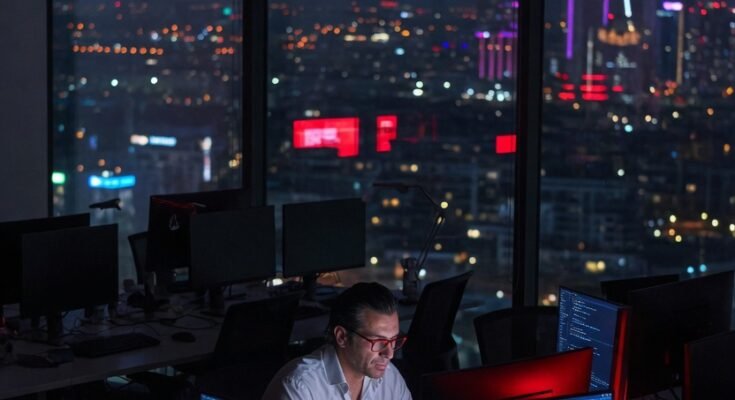
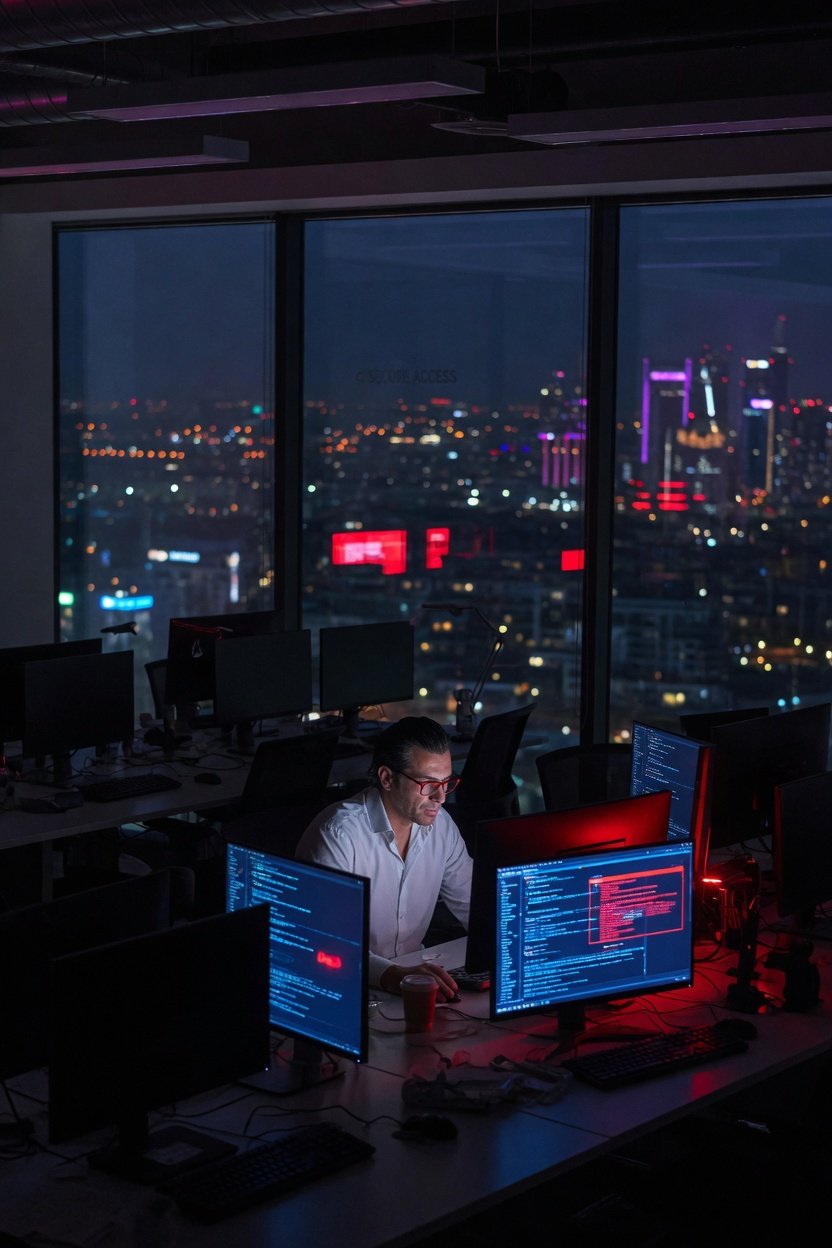
“I’m sorry, Marcus,” I said, my voice remarkably calm. “I’m currently performing the ‘essential system maintenance’ you requested in the memo. It’s a very delicate process. I can’t be disturbed.”
There was a stunned silence on the other end of the line, broken only by the distant sound of a tropical bird chirping in the Maldives. “Arthur, what are you talking about? The system is dead! We are blind! Just input the override code and get us back online. I’ll make sure you get a nice bonus when we get back.”
“A bonus?” I chuckled. It was a dry, hollow sound. “Like the one I didn’t get last year because you said ‘infrastructure isn’t a profit center’? Or the promotion you gave to Trevor because he’s ‘better at networking’ at cocktail parties? By the way, Trevor is currently tagged in a photo on Instagram holding a pineapple filled with rum. Why don’t you ask him for the password?”
“You know damn well Trevor doesn’t know the password!” Marcus screamed. I could hear the wind whipping against his phone; he was likely pacing the beach, watched by the rest of the confused executive team. “Arthur, listen to me. This is a direct order. If you don’t bring the system back up in the next five minutes, I will have you fired for gross negligence and sued for every penny you own.”
I didn’t blink. I pulled up the system logs. The lockouts were cascading. Every minute that passed, the encryption deepened. Soon, even I wouldn’t be able to fix it without a complete, week-long manual reset.
“You could do that,” I said. “But by the time your legal team drafts the paperwork, Vanguard Logistics will be bankrupt. Lloyd’s of London won’t cover a lockout caused by your own refusal to authorize maintenance. You’re looking at a total collapse by sundown. And as for firing me… I believe my contract has a very specific clause regarding ‘wrongful termination in the event of technical disagreement.’ You signed it without reading it, remember?”
I heard Marcus breathing heavily. He was a man used to bullying his way through life, but you can’t bully a line of code. You can’t intimidate an algorithm.
“What do you want?” he hissed.
“I want a new contract,” I said. “First, I want to be appointed as Chief Technology Officer, effective immediately. Second, I want a five percent equity stake in the company. Third, I want the budget for the cloud migration approved today. And finally… I want you to send a company-wide email, right now, apologizing for ‘overlooking the core pillars of our success’ and specifically naming me.”
“That’s extortion!” he bellowed.
“No, Marcus. That’s a service fee. The system just hit the twenty-minute mark. That’s another two million dollars gone. Do you want to keep talking, or do you want to start typing?”
For the next ten minutes, I waited in the dark office. My inbox chimed. First, the company-wide email arrived. It was groveling and humiliated. Then, a PDF of a signed contract from the company’s legal counsel, who was apparently working from a lounge chair.
I checked the signatures. Everything was in order. I reached out and typed a sixty-four-character string of alphanumeric gibberish into the terminal. I followed it with a thumbprint scan on the peripheral device.
The red screens in the office instantly flickered back to green. The hum of the servers changed pitch as data began to flow again. On the Slack channel, the celebration photos stopped. A heavy, awkward silence settled over the “Vanguard Family.”
I stood up, grabbed my jacket, and turned off the lights in my cubicle. As I walked toward the elevator, my phone buzzed one last time. It was a text from Marcus: *We’ll talk about this when I get back.*
I replied: *Actually, I’ve decided to take my own retreat. My new contract includes six weeks of immediate PTO. Don’t worry, the system is fine. As long as I don’t change the password again.*
I walked out into the cool night air, leaving the ghost of my old self behind in that empty building. I wasn’t just the guy who kept the lights on anymore. I was the one who owned the darkness.
Watch movie:

*Content is hosted on a partner site.
