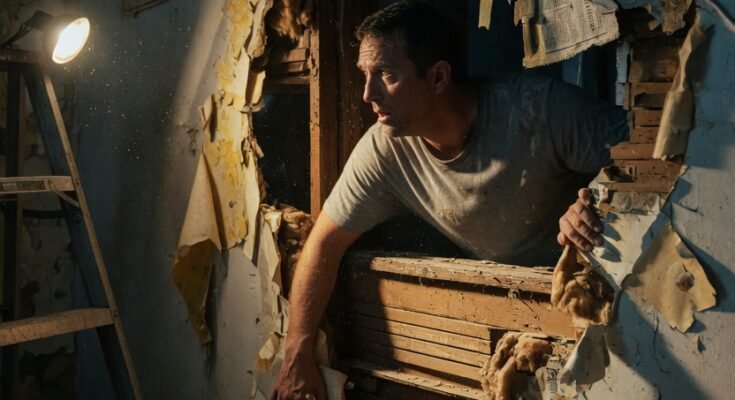
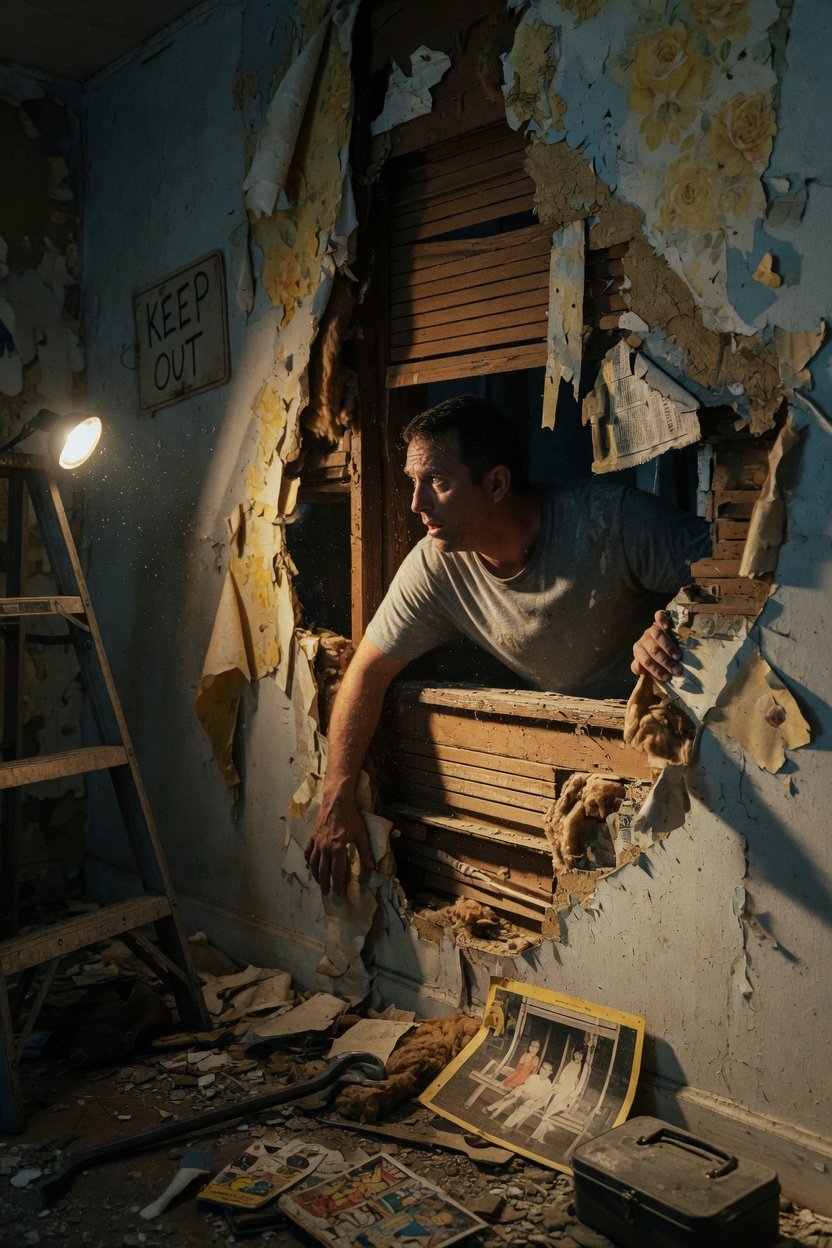
When I closed the diary, I was left with a whirlpool of questions. My childhood home, now a treasure chest of secrets, seemed to exhale a heavy sigh as I contemplated the impact of my mother’s words. Digging deeper became an obsession; I needed to understand the relationship between my mother, my father, and Sarah.
I began by confronting my father. The conversation wasn’t easy. I could see the tension etched on his face as he sensed my growing unease. “Have you ever loved someone so deeply that it hurt?” I asked, the diary clutched tightly in my hands. He grew quiet, eyes narrowing, as if assessing how much to reveal.
“What did you find?” he finally asked, his voice shaky.
“The diary. Mom wrote about Sarah. About her feelings, her jealousy. You fell in love with her right after Mom died, didn’t you?” I pushed, fighting against the emotional storm brewing within me.
His silence spoke volumes—the kind that lingered long after he finally muttered, “Your mother was sick. She knew I had to move on.”
I felt rage bubbling up as I countered, “But did she? Did she really know, or did she keep hoping you’d return to her?” The room felt charged with resentment and pain, memories clawing at the edges of our conversation.
Determined to uncover more, I revisited that tired old diary, dissecting my mother’s entries for hidden meanings. I noted the way she spoke of Sarah, her words often tinged with nostalgia—even fondness. Could it be that my mother saw in Sarah a reflection of herself, the person she wished she could have been? It was baffling.
Days turned into weeks as I sought out any connection to this mysterious woman. I uncovered an old photograph tucked between the diary’s pages. It depicted a younger version of my mother standing alongside Sarah, their faces lit up with laughter. They appeared vibrant and happy, but what were the underlying currents of their friendship?
Subsequently, I discovered that they were once best friends. The diary revealed details of their shared experiences: late-night talks, dreams of the future, and aspirations that lingered just out of reach. Somewhere along the line, a bond was broken—twisted by secrets and unspoken rivalry.
Driven to understand, I finally organized a meeting with Sarah. The encounter was surreal; she was older but retained an undeniable charm. As we sat across from each other in a small café, I relayed pieces from the diary. Surprisingly, her emotions flickered between sadness and nostalgia, as if my story was an echo of her own past.
“My relationship with your mother was complicated,” she confessed. “We were best friends, but when your father expressed feelings for me after her passing, it shattered us both.”
I questioned her further. Why marry my father so soon? Did she understand the pain that lingered? Her eyes held a deep sorrow as she shared snippets of their life together—how my father had truly loved my mother but felt trapped in his grief, unable to break free until Sarah’s affection illuminated a path forward.
As the pieces of this fractured narrative began to align, clarity emerged about the intertwining lives of these three individuals. My mother’s jealousy, rooted in lost love, mirrored a longing for the life she simply could not reclaim. Sarah had not come to replace her; she had become a lifeline—fragile yet necessary in the wake of such overwhelming loss.
In that moment, I began to see; both women were fighting battles against time and circumstance, and rather than a story of betrayal, it unfolded into a complex tapestry of love and survival. What had initially seemed like a singular betrayal transformed into an understanding of human fragility.
Now, with this newfound understanding, the diary became more than a collection of painful memories; it was a tribute to a bond that had transcended even in death and a testament to the complex nature of love and loss. Perhaps it was time for me to forgive, to let go of my past grievances and step into the future carrying the legacy of their intertwined stories with grace and compassion. The journey thus felt like an emergence rather than an ending….
Watch movie:

*Content is hosted on a partner site.
