The world finds itself once again teetering on the brink of a potentially catastrophic conflict, as tensions surrounding the Iran crisis escalate to alarming levels. Amid the growing fear and uncertainty, a powerful and unexpected voice has emerged from the Vatican. Pope Leo XIV, known for his measured tone and moral clarity, has broken his silence in a way that has reverberated across continents, challenging not just political leaders but the conscience of humanity itself.
At the center of this unfolding drama is former U.S. President Donald Trump, whose recent statements regarding Iran have sparked global concern. His warning that an “entire civilization will die tonight” if certain conditions were not met has been widely interpreted as a direct threat of massive military escalation. For many observers, the rhetoric signaled not just political brinkmanship, but a dangerous willingness to push the world toward irreversible consequences.
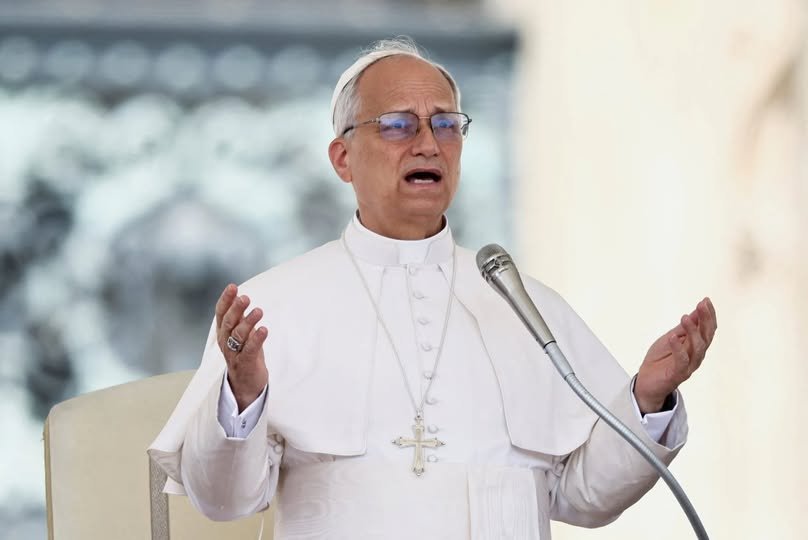
While political figures in Washington have responded cautiously—or in some cases, not at all—the Pope’s reaction was immediate and unambiguous. In a rare and forceful address, Pope Leo XIV condemned the language of annihilation and the normalization of civilian suffering. His words were not cloaked in diplomacy; instead, they carried the weight of moral urgency, cutting through political calculations with a stark ethical challenge.
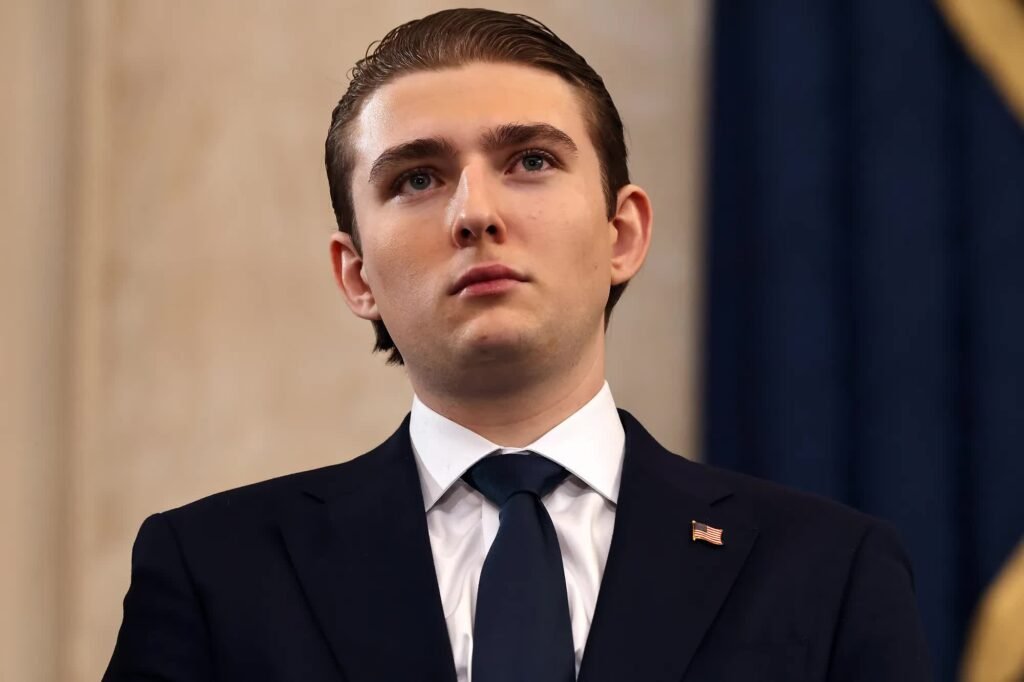
Central to his message was a deeply personal question, one designed to pierce through abstraction and force empathy into the conversation. “What if your son were one of those children living under the missiles?” he asked. It was a moment that shifted the narrative from geopolitical strategy to human reality, reminding the world that behind every statistic are lives, families, and futures at risk.
The Pope also took aim at what he described as the dangerous misuse of religious identity in political discourse. Without naming individuals directly, he criticized leaders who “drape themselves in Christianity” while endorsing or justifying acts of violence. In his view, invoking faith as a shield for destructive policies represents not only hypocrisy but a profound betrayal of the very principles those leaders claim to uphold.
His condemnation extended beyond rhetoric to the legal and moral frameworks that govern international conduct. Pope Leo XIV described any threat to eradicate a civilization as “truly unacceptable” and a clear violation of international law. By framing the issue in both ethical and legal terms, he underscored the gravity of the moment and the potential consequences of crossing such lines.
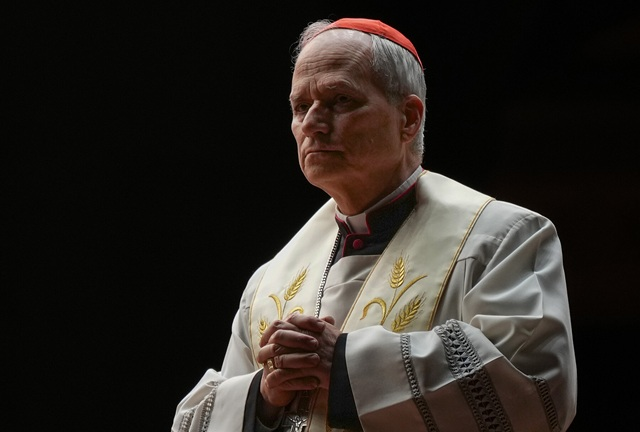
Perhaps the most striking element of his address was his declaration that “war is not sacred; only peace is sacred.” In a world where conflicts are often justified through appeals to higher causes, this statement served as a direct rebuke to any attempt to sanctify violence. For the Pope, peace is not merely a political objective—it is a moral imperative rooted in the dignity of human life.
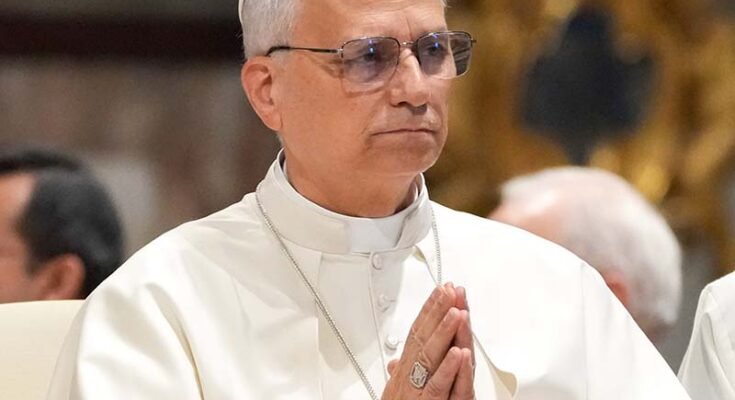
Observers noted the calm yet resolute demeanor with which the Pope delivered his message. With his hand resting steadily on the table, he spoke not as a politician or strategist, but as a moral authority concerned with the future of humanity. His reminder that “power may be great, but responsibility before conscience is greater” resonated far beyond the walls of the Vatican.
The response from global audiences has been swift and varied. Many have praised the Pope for speaking out at a time when others have remained silent, viewing his intervention as a necessary moral counterbalance to escalating rhetoric. Others, however, see the situation through a more complex political lens, highlighting the challenges of navigating international crises where multiple interests and narratives collide.
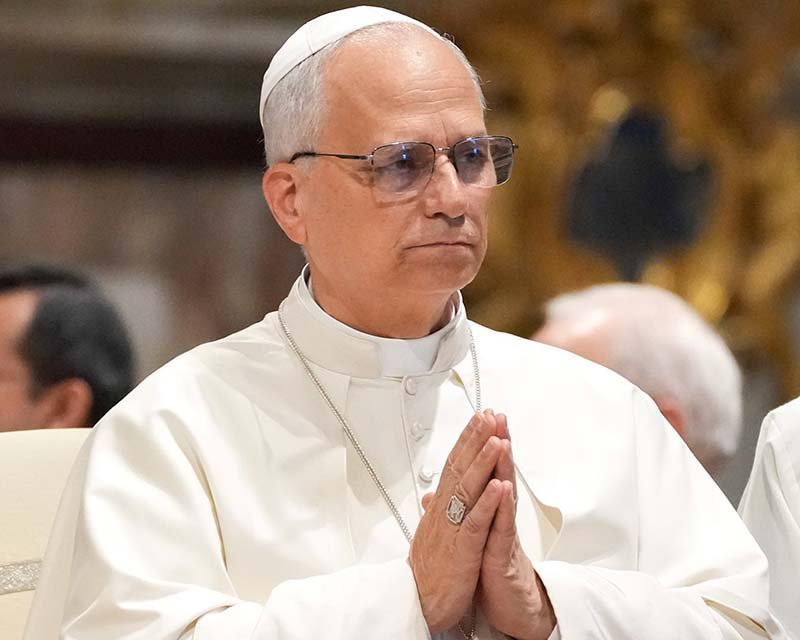
What is undeniable is that the Pope’s words have reframed the conversation. No longer confined to policy debates and strategic calculations, the discussion now includes fundamental questions about morality, leadership, and the value of human life. In doing so, Pope Leo XIV has forced both leaders and citizens to confront uncomfortable truths about the cost of conflict.
As the situation continues to unfold, the world watches closely, aware that the decisions made in the coming days could shape the course of history. Whether one agrees with his stance or not, the Pope’s intervention has added a powerful voice to the global dialogue—one that insists on compassion, accountability, and the urgent need to choose peace over destruction.
Watch movie:

*Content is hosted on a partner site.