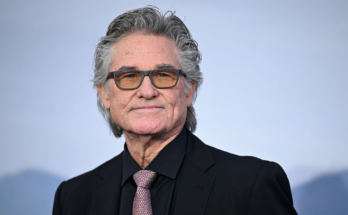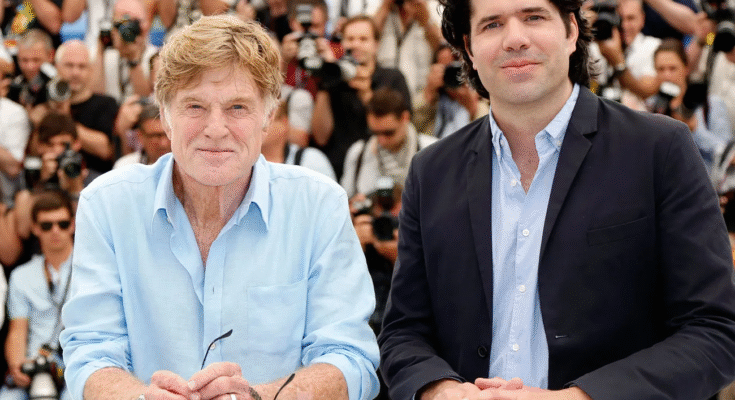
“Robert Redford never gave up,” director J.C. Chandor wrote in a guest essay for Times Opinion. “Bob was thoughtful, outspoken, kind, infuriating, late, humorous, incredibly serious, sweet, biting, handsome, strong, and the best creative collaborator I ever had. But in the end, what made his life truly extraordinary was that he was absolutely relentless. He often disliked the power that his fame and media presence brought him, but deep down, he knew that storytelling — and storytelling well — might just be the ultimate balance for humanity. And that’s what he did. He dedicated his life to telling stories that he believed would entertain while guiding people toward awareness and hope as a force for positive action.”
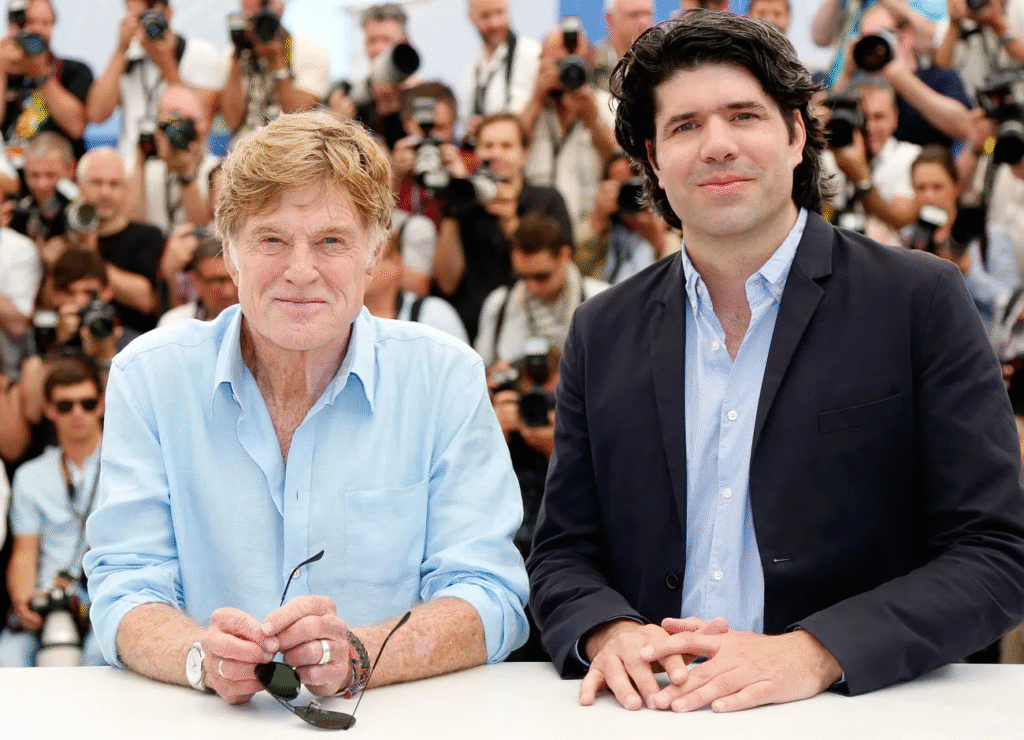
Chandor’s reflection on Redford paints a picture of a man whose dedication to his craft and mission never wavered. Known for his iconic roles in Butch Cassidy and the Sundance Kid and The Sting, Redford was also an outspoken advocate for social change and environmental issues, using his fame as a platform for causes that meant the most to him. But, as Chandor reveals, Redford’s true gift was his unyielding drive to tell stories that transcended entertainment and offered insight into the human experience.
The director highlights that Redford’s devotion to storytelling was more than just a career — it was his way of contributing to the greater good. Redford’s deep understanding of the human condition led him to craft stories that not only captured hearts but also provoked thought, inspired action, and pushed for change. His work, whether on screen or behind the scenes, was an expression of his belief that art could be a catalyst for bettering the world.
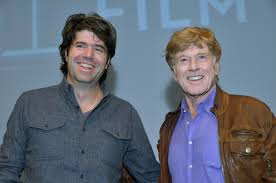
In this candid and touching reflection, Chandor emphasizes how Redford’s refusal to give up, both on the screen and in his personal life, made him a lasting figure in Hollywood and beyond. The actor-turned-director’s commitment to environmental causes, independent cinema, and social justice was built on this unrelenting drive to make a difference, and it was a trait that became ingrained in his work.
As Redford moved into his later years, his storytelling became an even more vital force in shaping the culture. From founding the Sundance Film Festival to championing independent filmmakers, Redford used his influence not just for personal gain but as a vehicle for change. His creative vision gave a voice to those who were often overlooked and used his power to elevate the stories that needed to be told.
Ultimately, Chandor’s tribute to Redford reflects not just a film legend but a man who believed deeply in the transformative power of storytelling. Redford’s legacy, as described by Chandor, is one of perseverance, self-awareness, and a profound belief in art’s ability to inspire hope and change.
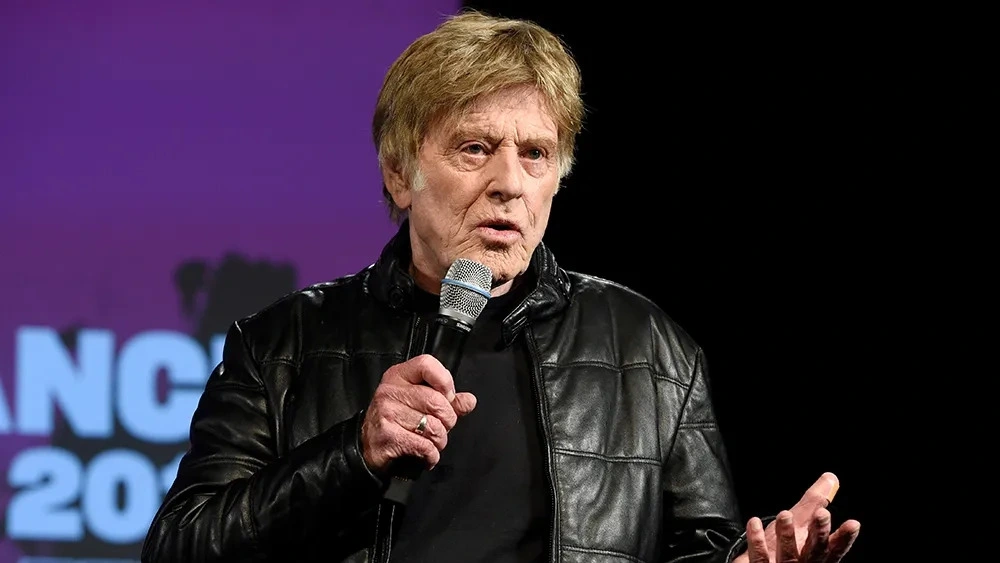
In the end, Redford’s journey was about much more than fame or accolades; it was about contributing to something greater than himself. Whether he was acting, directing, or speaking out on issues close to his heart, Redford’s drive to keep pushing, even when the world seemed indifferent, was what made him one of the most remarkable figures in Hollywood history.
Through his dedication, Redford left behind a legacy not just in film but in the way stories shape our perceptions of the world. His commitment to storytelling, to humanity, and to making a lasting impact is what will truly define his place in history.
Watch movie:

*Content is hosted on a partner site.