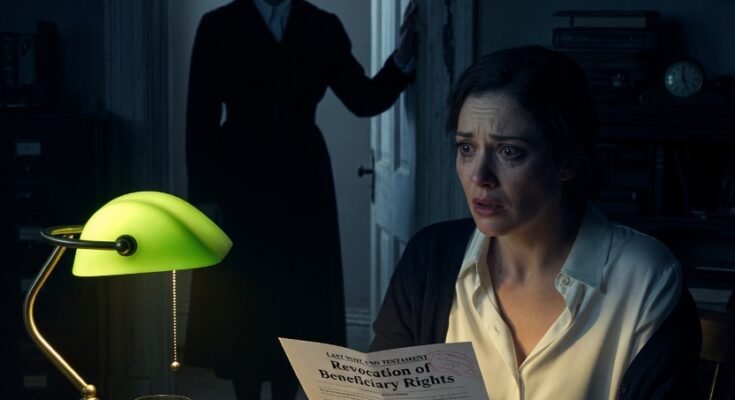
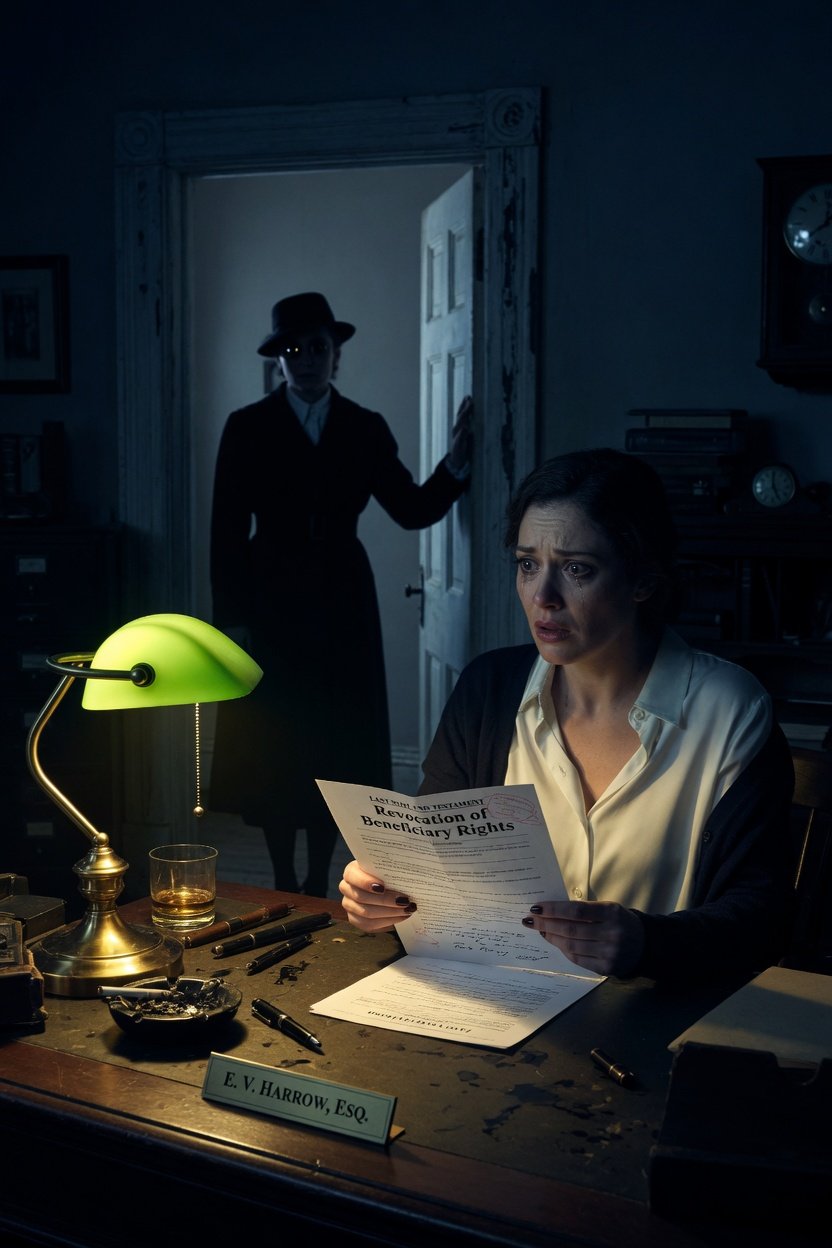
The realization hit me like a physical blow. I spent the rest of the night sitting in the dark, the insurance papers clutched to my chest. Every interaction over the last three months replayed in my mind with a sinister new context. The secret whispers, the way Sarah looked at me with a smirk when Mark wasn’t watching, the way she had slowly been infiltrating every corner of our lives.
The next morning, I did something I’m not proud of. I waited until Sarah went for her daily “therapeutic walk” and slipped into the guest room. I began searching her belongings. In the side pocket of her designer suitcase—which seemed far too expensive for a woman who was supposedly broke—I found a small leather-bound journal.
I expected to find entries about a divorce. Instead, I found a list of dates and dollar amounts. Beside each amount were initials. “M.B.”—Mark’s initials. And then I saw a folded photo tucked into the back cover. It was an old, grainy picture of Mark and Sarah at a beach. They were teenagers, maybe nineteen or twenty. They weren’t acting like siblings. They were entwined, kissing, in a way that made my stomach churn.
I felt sick. I knew Mark had been adopted, but he always told me he and Sarah were raised together from infancy. As I dug deeper into the journal, the truth began to emerge. They weren’t siblings. Not by blood, and not by law. They were former lovers who had met in a foster home and had been running “long-game” scams for years. The “divorce” was a lie. Sarah’s presence wasn’t an act of charity; it was a transition.
I heard the front door click. I barely managed to shove the journal back and hide under the bed before Sarah entered the room. She wasn’t alone. Mark was with her. He wasn’t supposed to be home for another two days.
“Is it done?” Sarah’s voice was sharp, devoid of the soft, grieving tone she used with me.
“The paperwork is final,” Mark replied, his voice cold. “The policy is active, and the ‘accident’ is scheduled for the weekend trip next month. Once Elena is gone, the payout will cover the debt, and we can finally leave this town for good.”
I stopped breathing. They weren’t waiting for Mark to die; they were planning to kill *me* and use the insurance money—which I realized they must have switched on my policy as well—to flee. Mark hadn’t just made her his beneficiary; he had likely forged my signature to make himself or her the beneficiary of *my* life insurance.
I stayed under that bed for three hours, listening to them discuss the mechanics of my “accidental” fall during our upcoming hiking trip. My heart was racing so hard I thought they would hear it through the floorboards. When they finally went into the kitchen to make lunch, I crawled out, grabbed my car keys and the insurance papers, and slipped out the back window.
I didn’t go to a friend’s house. I went straight to the police station. It took hours of explaining, but the documents I found, combined with the recording I had managed to start on my phone from under the bed, were enough to start an investigation.
The police discovered that Mark and Sarah had been involved in similar “accidental death” insurance claims in two other states under different names. They were professional black widows, moving from victim to victim. Mark’s “fishing trip” had actually been a meeting with a shady associate to finalize their exit strategy.
They were arrested that evening. As the police led them out of my house in handcuffs, Sarah didn’t cry. She looked at me with a terrifying, vacant expression. Mark tried to scream that he loved me, that she had forced him into it, but I didn’t listen.
I sold the house and moved across the country. I kept the insurance papers as a reminder: sometimes the people you let into your home aren’t looking for a roof over their heads—they’re looking for a way to take the ground from under your feet. I am finally safe, but I never sleep without checking the locks, and I never, ever trust a “family” story without seeing the birth certificates first.
Watch movie:

*Content is hosted on a partner site.
