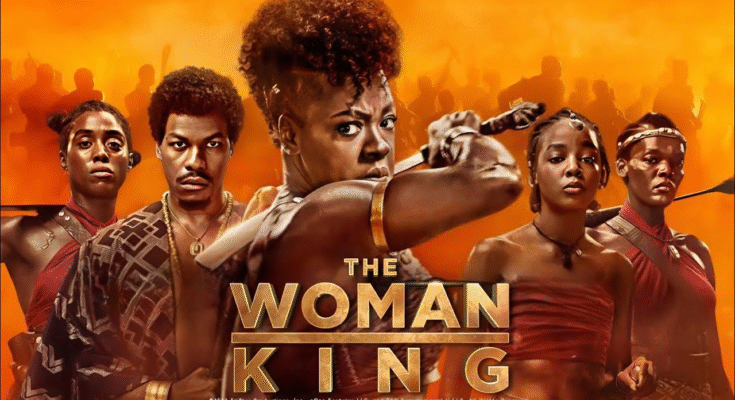
The Woman King re-emerges as a cinematic powerhouse, celebrating the courage, resilience, and unbreakable spirit of women warriors. Viola Davis commands the screen as General Nanisca, a leader whose vision and ferocity transform the Agojie—the legendary Dahomey Amazons—into a force capable of defying empires and rewriting history.
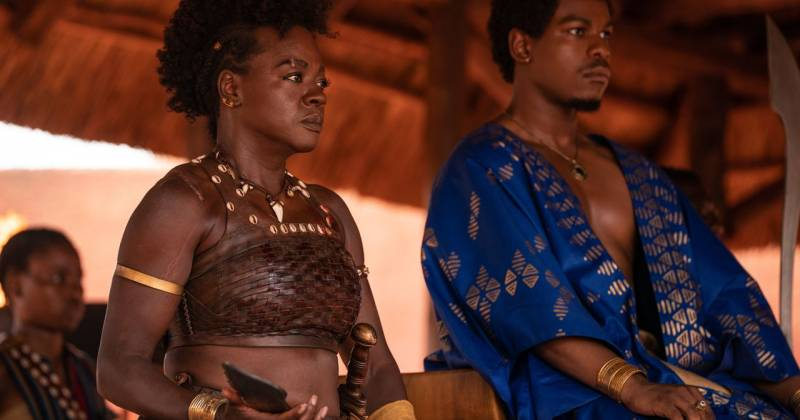
Set in 1823, the story follows Nanisca as she trains and mentors Nawi (Thuso Mbedu), a young recruit whose journey from raw talent to battlefield prowess mirrors the film’s central themes of growth, courage, and empowerment. Each spear, each maneuver, is imbued with the weight of tradition, honor, and personal sacrifice.
The supporting cast elevates the narrative with compelling performances. Lashana Lynch radiates electrifying power, Sheila Atim embodies grace and resilience, and John Boyega delivers a layered portrayal of authority laced with internal doubt, highlighting the political complexities surrounding the Agojie.
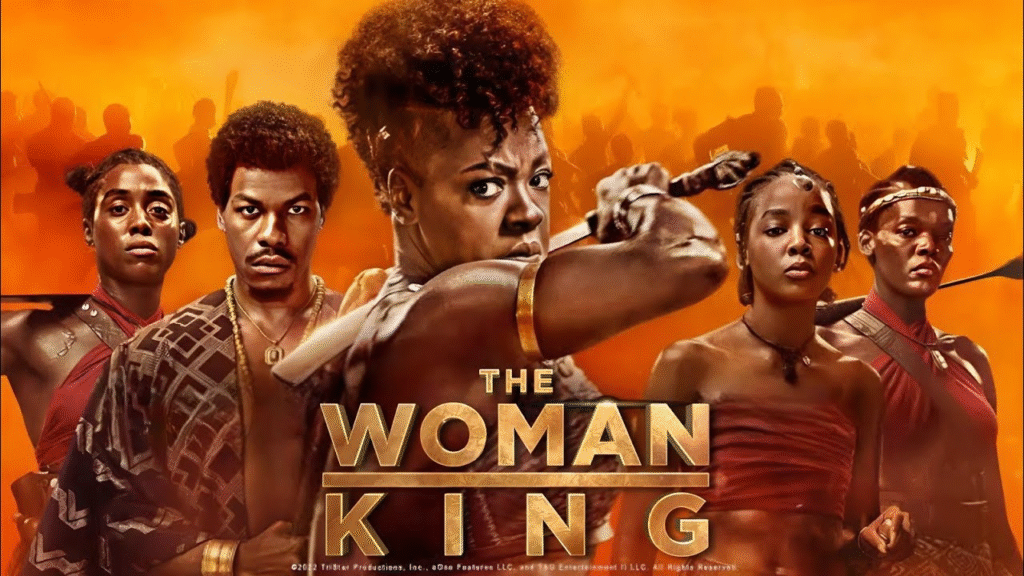
Director Gina Prince-Bythewood ensures every frame resonates with intensity. The lush jungles are alive with action, battle sequences pulse with drums and clashing steel, and the emotional stakes are felt in every glance, dialogue, and maneuver. The choreography of combat is both gritty and poetic, capturing the bravery and precision of warriors who fight not only with strength but with heart.
At its core, the film is a celebration of sisterhood and solidarity. The Agojie’s bond, forged in struggle and battle, underscores a narrative of unity that transcends the battlefield. Each sacrifice and victory highlights their unwavering loyalty and courage in the face of overwhelming odds.
Visually, the film is breathtaking. From the sun-drenched savannahs to shadowed jungle paths, cinematography emphasizes scale and scope, creating a world where every clash of weapons and every strategic maneuver feels immediate and visceral.
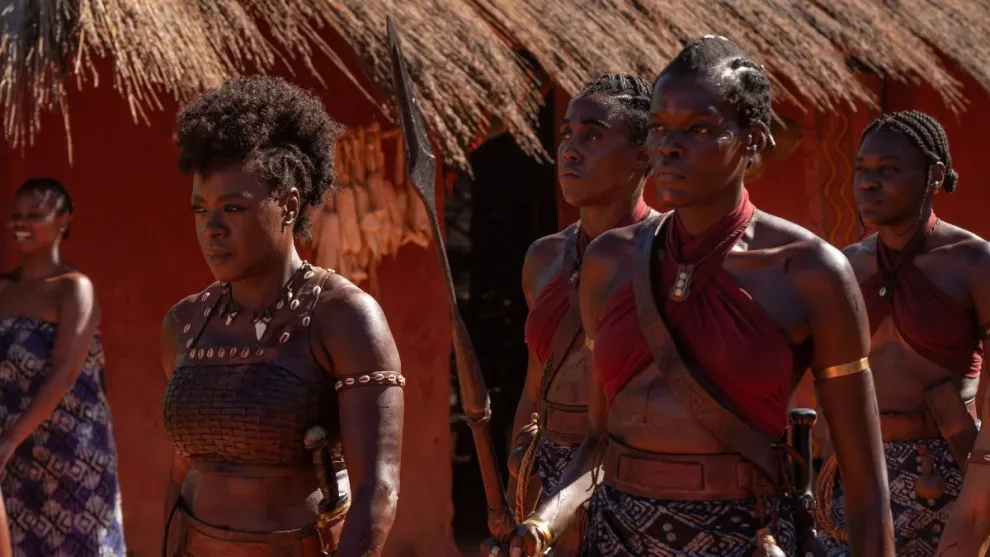
The score and sound design amplify the experience, with pounding drums, battle cries, and the tension of war filling the audience with a sense of urgency and immersion. Music and ambient sound punctuate both quiet, intimate moments of strategy and dialogue, as well as the thunder of full-scale assaults.
Beyond action, the film delves into themes of leadership, moral complexity, and legacy. Nanisca’s decisions carry consequences, and Nawi’s development reflects the intersection of personal growth and societal responsibility. The narrative balances the spectacle of war with the emotional weight of mentorship and sacrifice.
The Woman King is more than historical drama; it is a cultural statement, honoring unsung heroes and reclaiming a powerful chapter of African history with dignity, ferocity, and cinematic grandeur.
⭐ Rating: 4.9/5 – A breathtaking, empowering epic that fuses historical authenticity with thrilling action, leaving audiences inspired and awestruck.
Watch movie:

*Content is hosted on a partner site.
