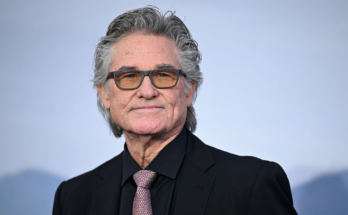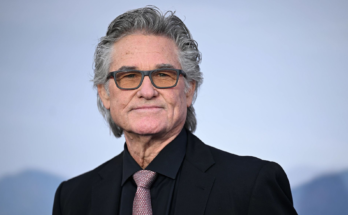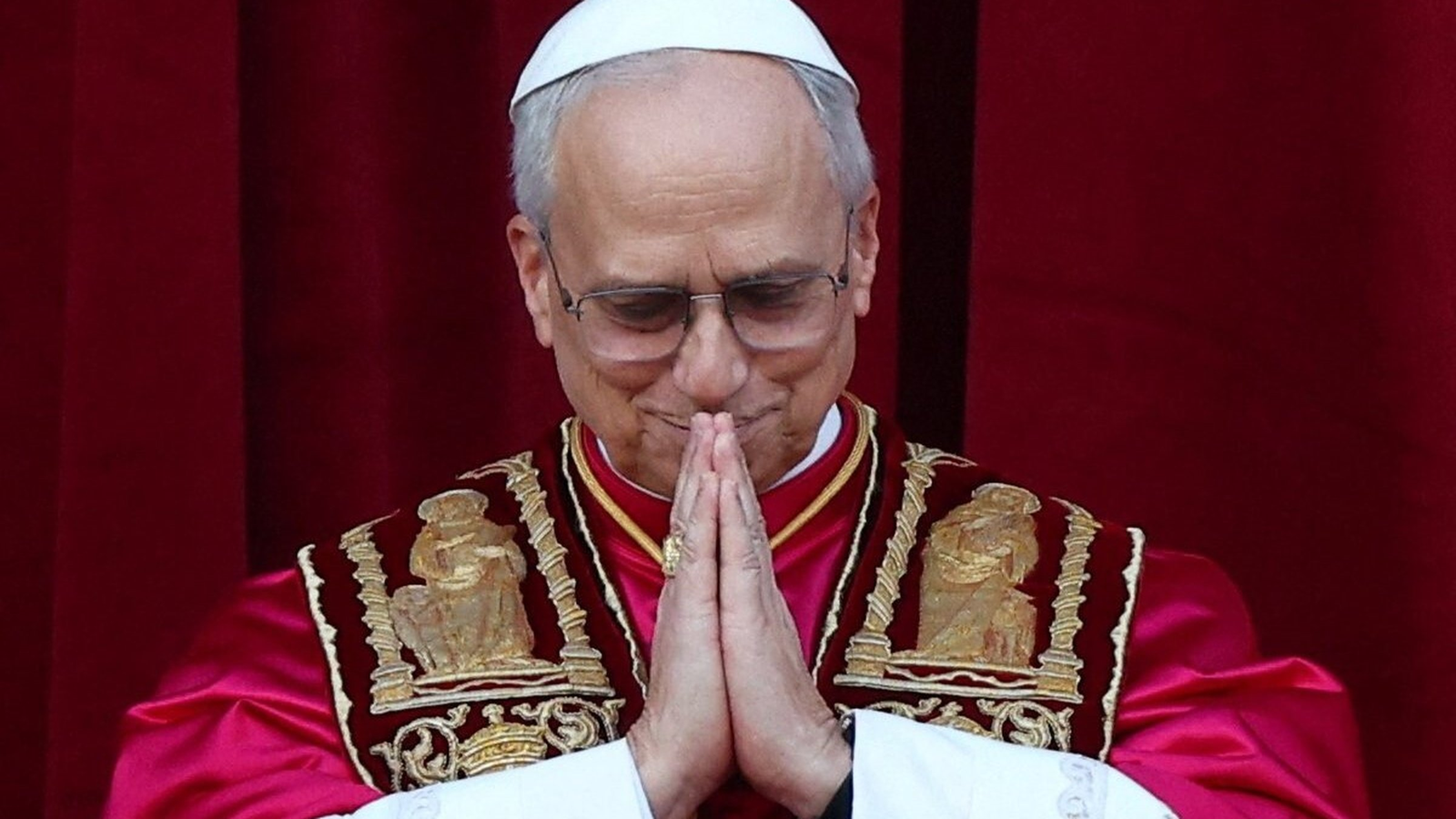
In a move that has sent shockwaves through both religious and political circles, the Vatican issued a searing critique regarding the intersection of pop culture and theology. The controversy erupted following recent remarks by Pete Hegseth, where he allegedly utilized a famous passage popularized by cinema to justify military action. The Holy See’s response was swift, aimed at preserving the sanctity of scripture against modern distortion.
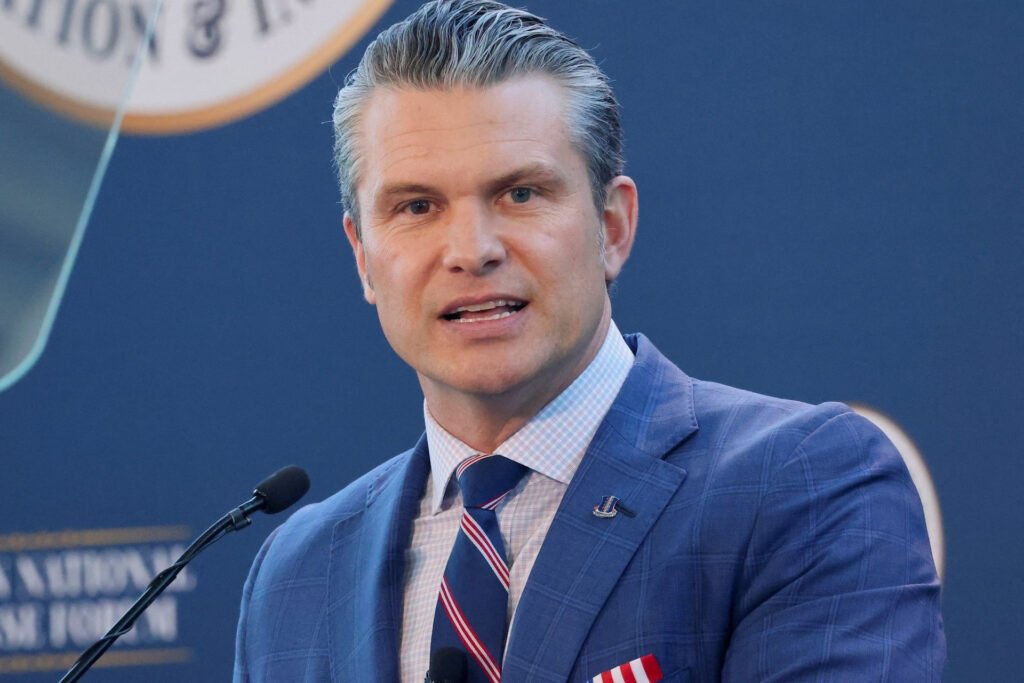
The focal point of the dispute lies in the use of a specific “verse” that many recognize from the cult classic film Pulp Fiction. While the cinematic monologue delivered by Samuel L. Jackson’s character cites “Ezekiel 25:17,” the version used in the movie is largely a fictionalized invention of screenwriter Quentin Tarantino. By framing this Hollywood dialogue as a legitimate theological mandate for war, Hegseth has drawn the ire of the highest levels of the Catholic Church.
In a rare and direct intervention, the Pope addressed the matter with a statement that left no room for ambiguity. He aimed his critique squarely at those who weaponize faith to serve secular agendas. The rhetoric used by the Pontiff was described by observers as “brutal,” reflecting a deep-seated concern over the trivialization of holy texts in the pursuit of geopolitical power.
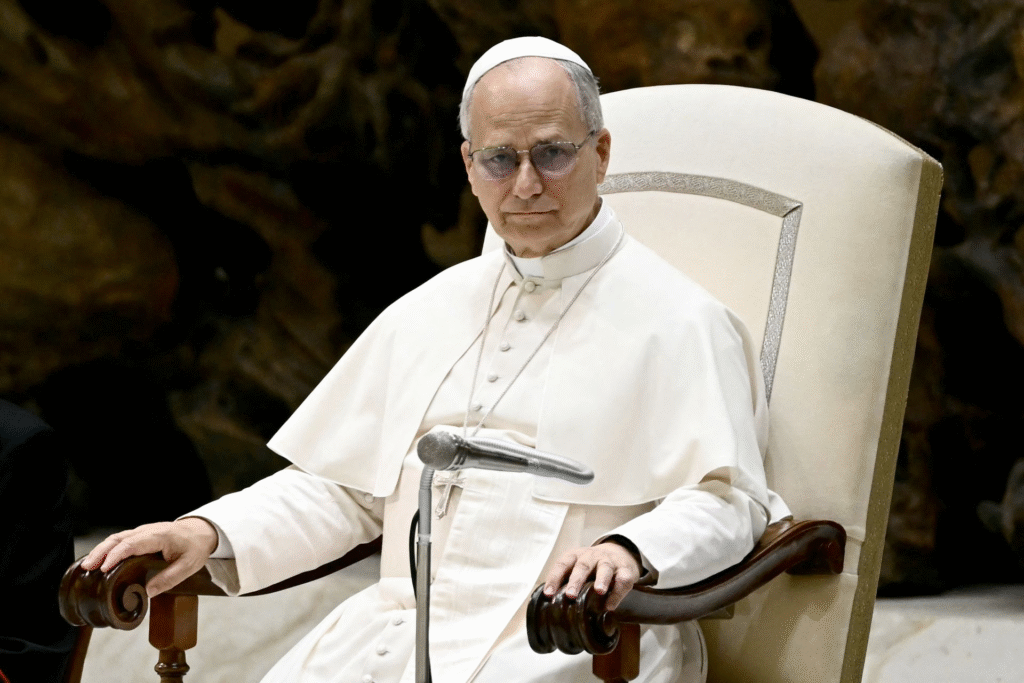
“Woe to those who manipulate religion and the very name of God for their own military, economic, and political gain,” the Pope declared. This stern warning echoes ancient prophetic traditions that caution against the vanity of using the divine to mask human ambition. The statement serves as a sharp reminder that the Church views the exploitation of faith as a grave moral failing.
The Vatican’s message further emphasized the spiritual consequences of such actions, accusing those responsible of “dragging that which is sacred into darkness and filth.” This vivid imagery suggests that the integration of fictional violence with religious doctrine does more than just spread misinformation; it actively degrades the purity of the spiritual message.
Political analysts suggest that this confrontation marks a turning point in the relationship between religious authorities and the burgeoning wave of “pop-theology” in the West. As political figures increasingly lean on religious imagery to galvanize their base, the risk of misrepresenting core tenets becomes a significant point of friction with established religious institutions.
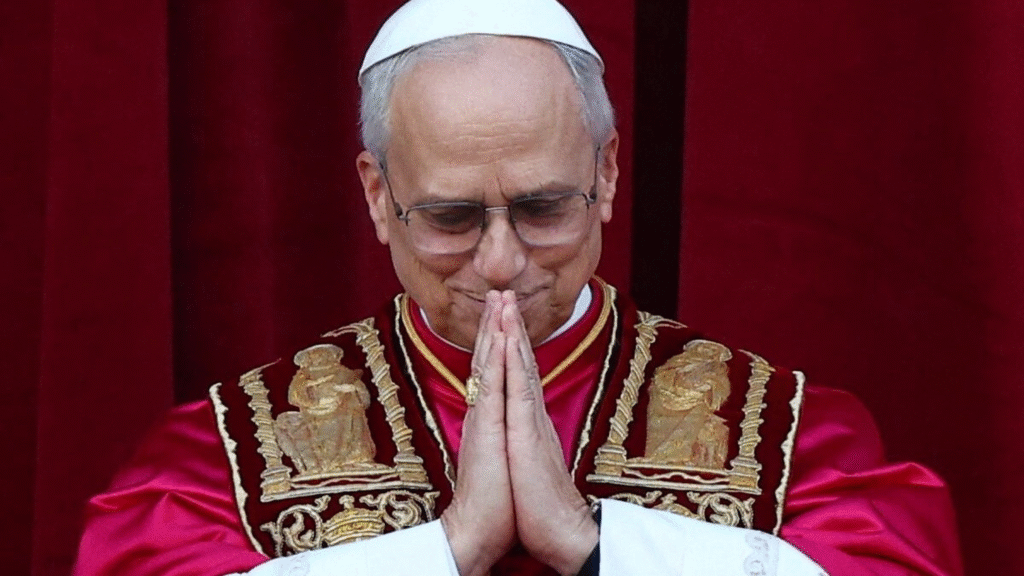
Hegseth’s team has yet to provide a comprehensive rebuttal to the Vatican’s specific charges regarding the “fake” verse. However, the incident has already ignited a firestorm on social media, where critics and supporters are debating the boundaries of cultural references in political speech. For many, the use of a movie script as a substitute for actual theology is seen as a bridge too far.
Theologians point out that while the real Ezekiel 25:17 does exist, its biblical context is vastly different from the aggressive, vengeful tone presented in Pulp Fiction. By blurring the lines between a Hollywood script and the Word of God, figures like Hegseth risk alienating a global community of believers who hold these texts as immutable and divine.
The Pope’s decision to name the issue so directly underscores a broader Vatican strategy to reclaim the narrative of peace. By condemning the “military and economic gain” associated with this rhetoric, the Church is positioning itself as a safeguard against the co-opting of Christianity for nationalist or militaristic ends.
As the story continues to develop, the phrase “darkness and filth” is likely to haunt the political discourse surrounding Hegseth. It serves as a potent linguistic barrier erected by the Church, intended to separate genuine religious conviction from what the Vatican views as opportunistic theater.
Ultimately, this clash highlights a growing divide in how the Bible is interpreted in the 21st century. Whether as a sacred guide for the soul or a convenient tool for the podium, the battle over the “very name of God” remains a central conflict in the modern era. The Vatican has made its stance clear: the sacred is not for sale, nor is it for parody.
Watch movie:

*Content is hosted on a partner site.