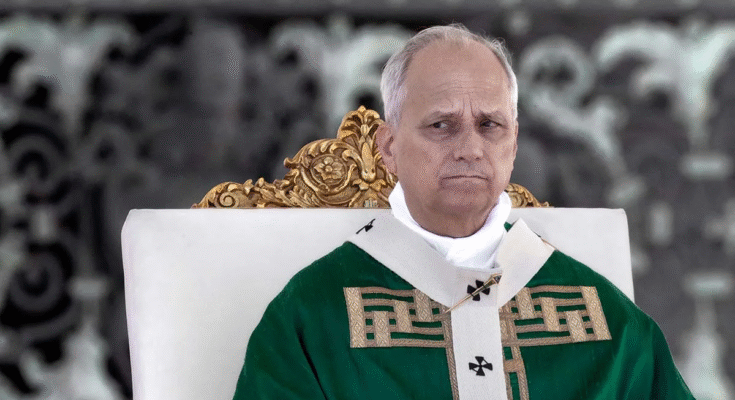
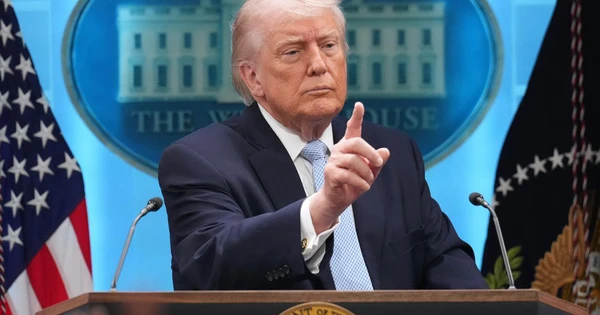
The global political and religious landscape was thrust into heightened tension today following a dramatic escalation between former U.S. President Donald Trump and Pope Leo XIV. The clash, which unfolded publicly on social media, has quickly drawn international attention and sparked widespread debate about the intersection of politics, faith, and global conflict.
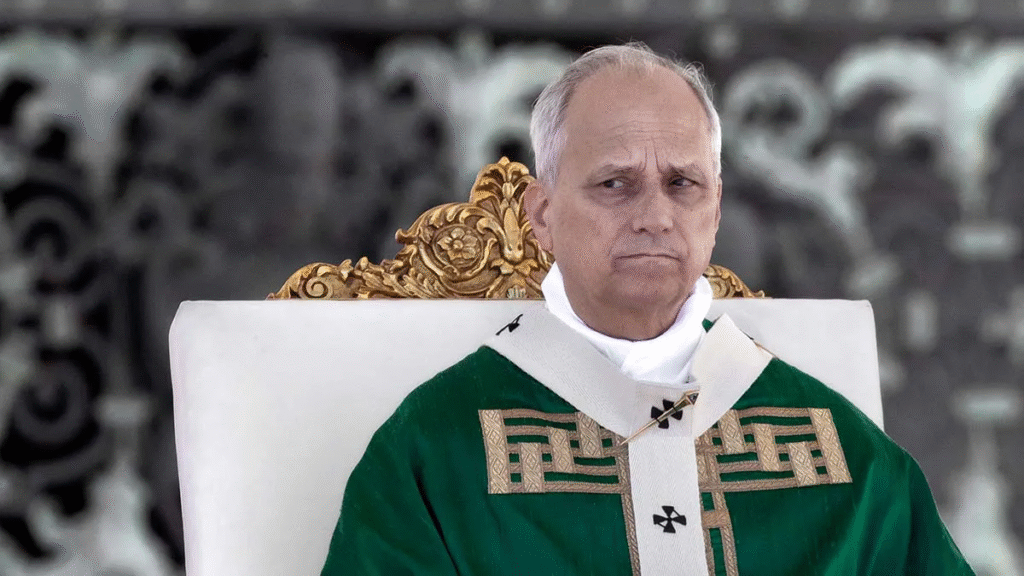
In a strongly worded post, Trump directly criticized Pope Leo XIV, accusing him of aligning with what he described as “radical Left-wing” ideologies. The remarks were reportedly tied to ongoing disagreements over the Iran conflict, a situation that has already strained diplomatic relations across multiple regions.
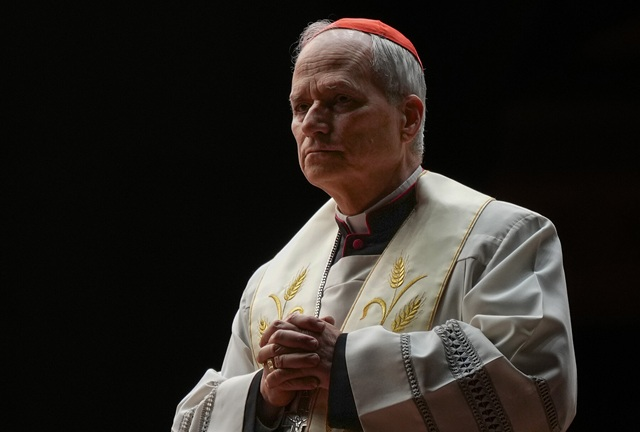
The Pope’s response, however, shifted the narrative from a political dispute to something far more profound. Rather than retreating from the criticism, Pope Leo XIV delivered a firm and resolute statement, emphasizing his independence and moral responsibility. “I do not need permission to speak the truth and my conscience,” he declared, signaling a refusal to be influenced by political pressure.
Amid the public exchange, unverified reports began circulating, suggesting that deeper tensions may exist behind the scenes. Some sources have alleged that elements within the U.S. administration and military leadership have issued indirect warnings toward the Vatican, referencing historical precedents such as the Avignon Papacy—a period when the Church fell under the control of secular authority.
These claims, while not officially confirmed, have intensified speculation and concern among observers. The mere suggestion of coercion or threats against the Holy See has prompted discussions about the safety of the Pope and the independence of religious institutions in times of geopolitical conflict.
As the situation developed, Pope Leo XIV delivered what many interpreted as an urgent and deeply personal message. Speaking to a global audience, he expressed unwavering commitment to his mission, while also acknowledging the gravity of the moment. “If my mission ends here,” he said, “my supporters and peace-loving people around the world will continue it.”
The statement resonated far beyond the confines of the Vatican, quickly spreading across social platforms and news outlets. For many, it was seen not as a sign of fear, but as a powerful declaration of faith and resilience in the face of adversity.
The Pope further underscored the moral dimension of the crisis, reminding world leaders and citizens alike of the weight of history. “History does not remember those who remained silent when integrity was threatened,” he stated, reinforcing his call for courage and accountability.
In addition to his message of defiance, Pope Leo XIV issued a broader appeal for peace. He urged individuals around the world to engage with their political representatives, advocating for diplomacy and restraint rather than escalation. His words emphasized the role of ordinary citizens in shaping the course of global events.
Analysts note that the unfolding situation highlights a complex and sensitive dynamic between political authority and spiritual leadership. While public confrontations between political figures and religious leaders are not unprecedented, the current tone and context have raised concerns about potential long-term implications.
As the world watches closely, one thing remains clear: the exchange has ignited a global conversation about power, conscience, and the enduring struggle between conflict and peace. Whether this moment marks a turning point or a temporary flashpoint, its impact is already being felt across continents and communities.
Watch movie:

*Content is hosted on a partner site.