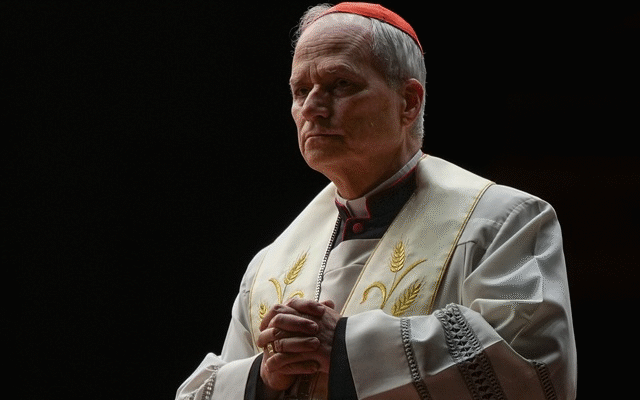
Pope Leo XIV occupies a space that resists easy definition, standing neither as a relentless adversary nor as a silent observer in the political landscape shaped by President Donald Trump. His presence introduces a complexity that frustrates those who seek clear lines of opposition or allegiance, instead offering something far more measured and deliberate.
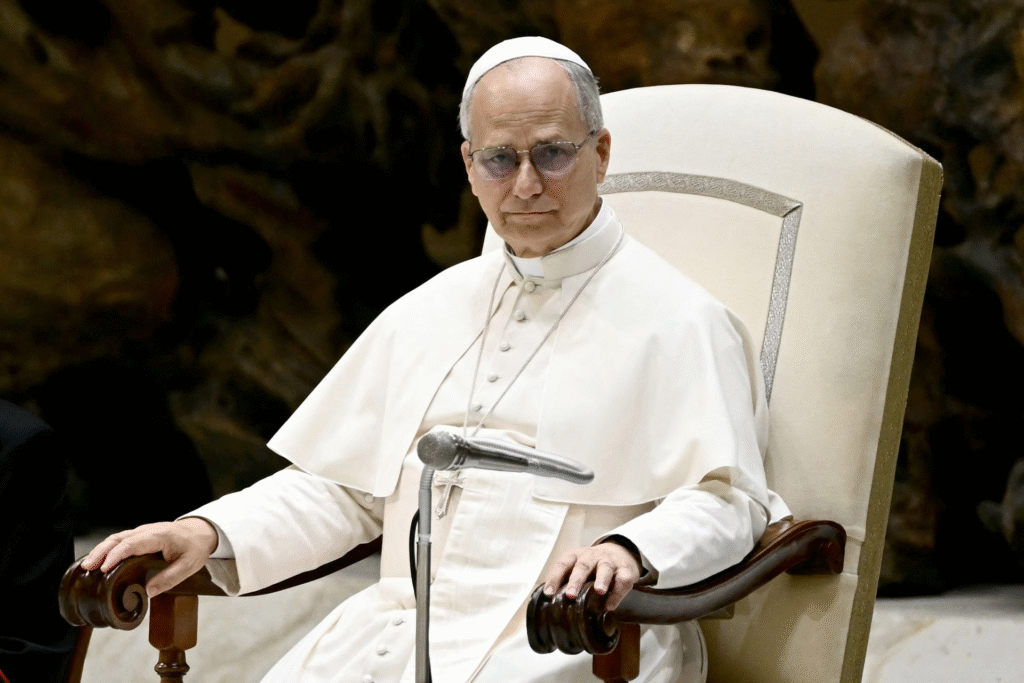
Many of Trump’s critics had hoped for a figure who would rise as a constant moral challenger, someone who would publicly and persistently confront the administration’s rhetoric and decisions. They envisioned a voice that would echo loudly across global platforms, drawing sharp contrasts between political authority and spiritual accountability.
Yet Pope Leo has not chosen that path. His approach is not one of continuous confrontation, but of selective engagement. He does not respond to every controversy or policy with immediate critique, and in doing so, he avoids becoming entangled in the rapid, reactive cycles of political discourse.
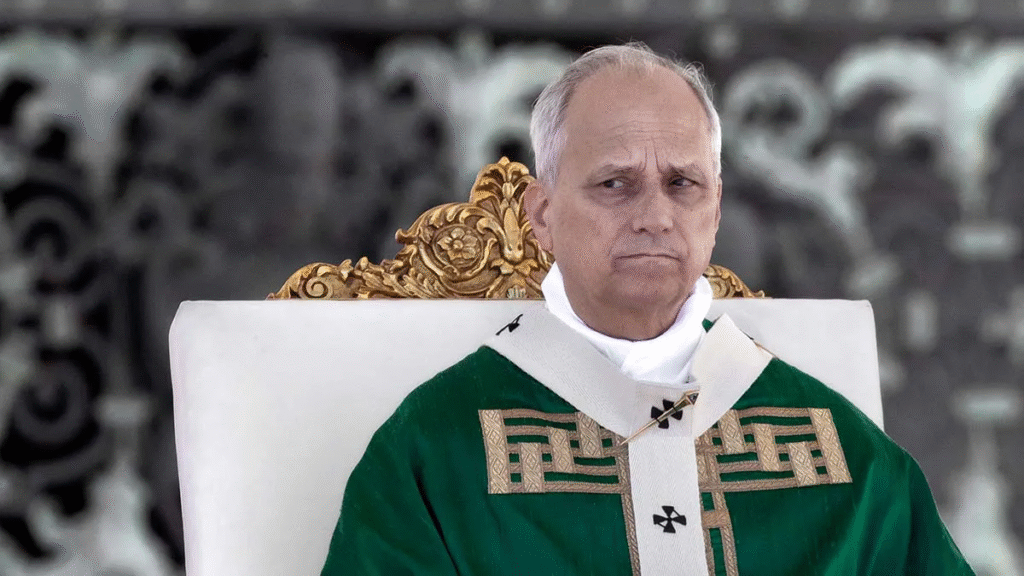
This restraint, however, should not be mistaken for indifference. On the contrary, it reflects a deeper strategy—one rooted in timing, intention, and the weight of carefully chosen words. When he does speak, it is often with a clarity that cuts through noise rather than adding to it.
Supporters of President Trump, on the other hand, may have hoped for a more reserved figure—someone who would maintain a respectful distance from political matters altogether. They might have anticipated a papacy focused solely on internal church affairs or global spiritual guidance, without stepping into contentious political terrain.
But Pope Leo has also defied those expectations. He has demonstrated a willingness to step forward when issues touch upon fundamental moral principles—human dignity, justice, compassion, and the ethical responsibilities of leadership. In those moments, his voice becomes unmistakably present.
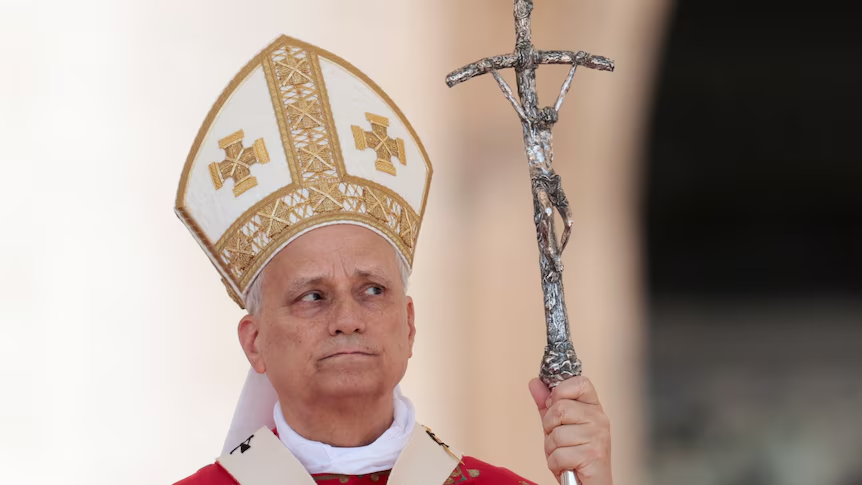
What distinguishes Pope Leo’s stance is not volume, but precision. He does not seek to dominate headlines, yet his statements often resonate precisely because they are rare and deliberate. Each intervention feels less like a reaction and more like a considered judgment.
This creates a unique dynamic in his relationship with political power. Rather than positioning himself as an opponent in a conventional sense, he acts as a moral reference point—someone who observes, reflects, and speaks when the stakes demand it. His authority is not derived from confrontation, but from consistency and principle.
In this way, Pope Leo navigates a delicate balance. He neither withdraws into silence nor immerses himself in partisan conflict. Instead, he moves along a middle path, one that allows him to maintain independence while still influencing the broader conversation.
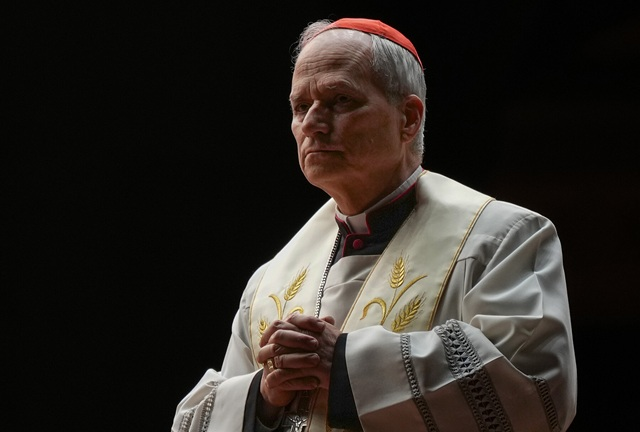
His approach challenges the expectations of a polarized world that often demands clear sides. By refusing to be easily categorized, he underscores the idea that moral leadership does not always align neatly with political narratives or agendas.
Ultimately, Pope Leo XIV emerges as a figure defined not by opposition or passivity, but by intention. He reminds both critics and supporters that influence does not always come from constant presence, but from knowing precisely when—and how—to be heard.
Watch movie:

*Content is hosted on a partner site.