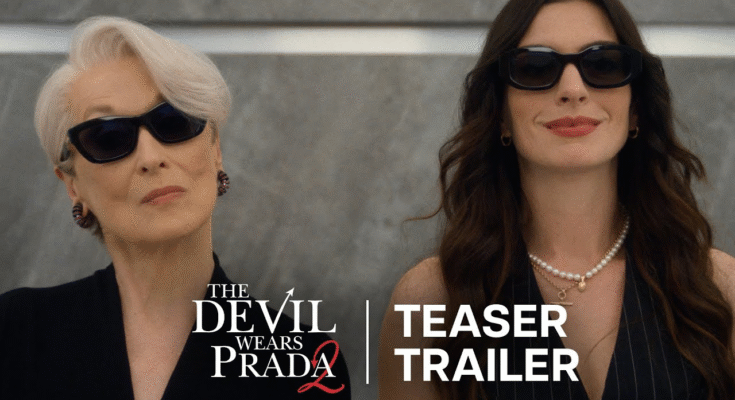
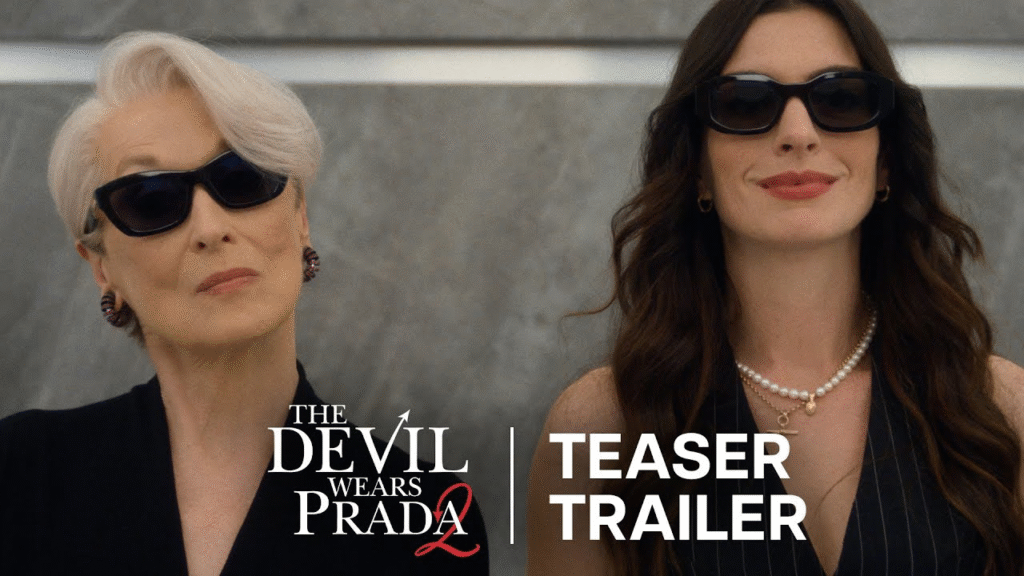
The long-awaited sequel to The Devil Wears Prada steps back into the glamorous world of fashion, where the stakes have never been higher, and the power struggles are even more ruthless. In The Devil Wears Prada 2, we find Miranda Priestly (Meryl Streep), the epitome of icy power, facing an unprecedented challenge: the digital revolution. Gone are the days when her voice could command the fashion world; now, her decisions are met with skepticism, and her authority begins to wane. In a world obsessed with the now, Miranda must adapt or risk becoming obsolete.
As the digital landscape reshapes the industry, the very foundations of style and influence shift. Social media influencers and tech-driven tastemakers have replaced the old guard, and the once-unassailable Miranda must navigate this new terrain. Her struggle is not just one of ego, but of survival. The real question isn’t about who can wear the crown, but who has the power to define what that crown even means in this evolving world.
Andy Sachs (Anne Hathaway) makes her return, but this is no longer the unsure assistant we once knew. Instead, Andy has transformed into a savvy, driven woman who has carved out her own niche in the competitive world of fashion. Her confidence, once hidden beneath the weight of Miranda’s expectations, now radiates as she returns to the industry with her own agenda. This isn’t merely a reunion; it’s a reawakening of the rivalry that once defined both their careers.
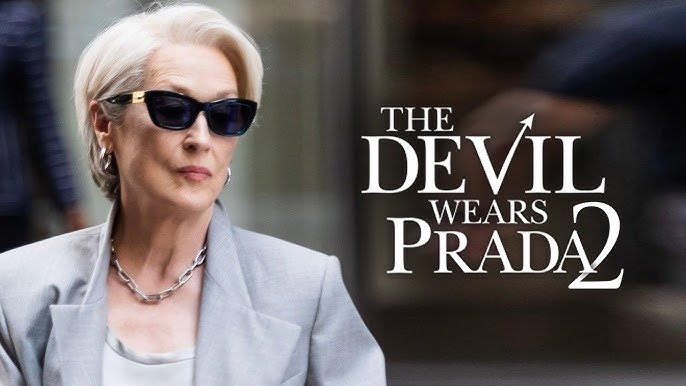
The tension between Miranda and Andy is palpable, but it’s a tension rooted in transformation. They no longer compete for the same role—they compete for the future itself. Andy’s rise from assistant to professional powerhouse represents a direct challenge to Miranda’s outdated model of power, one that once defined the fashion elite. It’s a battle not just for control of the industry, but for what legacy means in a world that worships the new.
The narrative doesn’t just capture the fashion world; it’s a reflection of our evolving relationship with power, identity, and the very idea of success. As the industry embraces the digital age, where every moment is captured in real time and every move is scrutinized, Miranda finds herself in a race against the clock. The fashion empire she built is crumbling, and the question lingers: can she reinvent herself in time to maintain her reign?
The rivalry that unfolds between Miranda and Andy is more than just professional—it’s deeply personal. Both women have undergone radical transformations in the years since their last encounter, and their clash is not just about fashion. It’s about power, respect, and the shifting sands of what it means to lead. For Andy, this battle represents the culmination of her journey—a chance to step out of Miranda’s shadow and define her own legacy. For Miranda, it’s a fight to retain relevance in a world that no longer values the same things she once did.
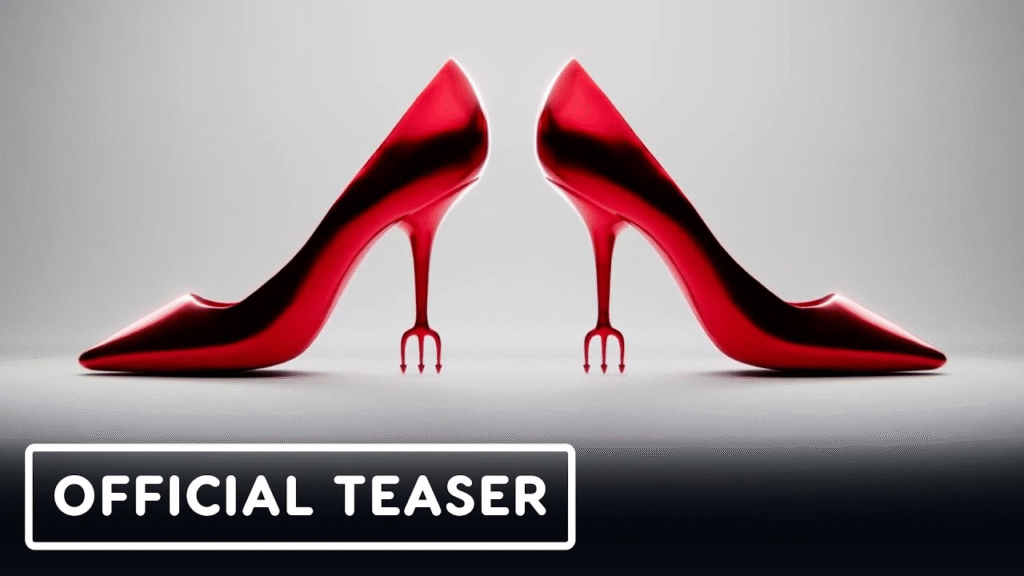
But The Devil Wears Prada 2 is not just about the clash of two women—it’s about the changing face of the fashion industry itself. Where once the world of couture was controlled by a few elite designers and editors, it is now democratized, accessible, and driven by social media influencers, bloggers, and Instagram celebrities. The power dynamic has shifted, and the film expertly explores this transformation, portraying a world where influence is no longer about exclusivity—it’s about access, immediacy, and connection.
This film shines a light on the challenges of reinvention, not just in the fashion world, but in any industry. Miranda’s journey is one of self-reflection, as she realizes that the unshakable throne she once sat upon is now in jeopardy. But her evolution isn’t easy—it’s messy, painful, and filled with moments of doubt. For Andy, the fight is about proving that a woman can be both strong and compassionate, ambitious yet empathetic. Her success is no longer defined by fitting into a mold; it’s about breaking it and creating something new.
At its heart, The Devil Wears Prada 2 is a story about the power of legacy. In a world that glorifies the new and the now, can the old guard survive, or is it time for a new generation to take over? Miranda and Andy’s battle for control is symbolic of this larger question—a question that transcends the fashion world and speaks to the broader challenges of our time. The film asks us to reconsider what it means to hold power, to lead, and to make a lasting impact.
In the end, The Devil Wears Prada 2 is not just a story of fashion—it’s a story of resilience, adaptation, and the fight to stay relevant in a constantly changing world. Miranda may have ruled the industry once, but in this new era, nothing is certain. The world is changing, and with it, the rules of power. The film leaves us questioning who will define the future, and whether those who have held power for so long are ready to relinquish it or rise to the occasion once again.
This sequel is a timely exploration of the intersection between tradition and innovation, the old and the new. It is a battle not just for control of the fashion industry, but for what it means to remain relevant in a world that is constantly evolving. With its sharp commentary, strong performances, and poignant themes, The Devil Wears Prada 2 reminds us that in the game of power, change is the only constant.
Watch movie:

*Content is hosted on a partner site.