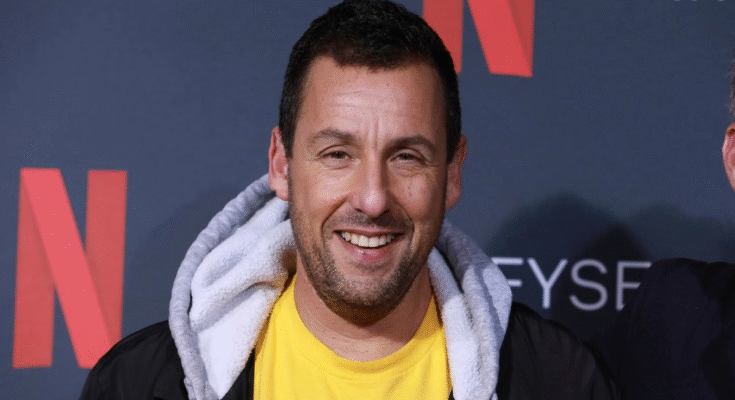
Social media platforms have been ablaze in recent days following claims that Hollywood comedian and actor Adam Sandler would headline Turning Point USA’s upcoming “All-American Halftime Show,” an event said to air opposite Super Bowl 60. The post, shared thousands of times, described the performance as a “spiritual revolution in an age of entertainment.” Yet behind the excitement lies a different story — one that reveals how fast misinformation can travel in the modern digital arena.
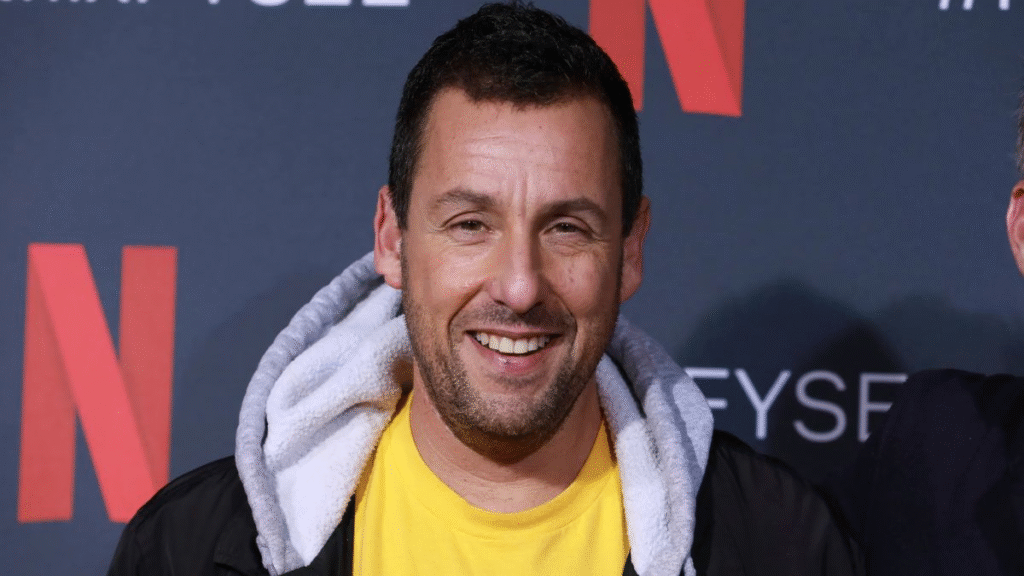
The claim originated from a series of viral posts on X and Facebook, accompanied by fabricated quotes attributed to Sandler. These messages painted the actor as the emotional heart of a faith-driven cultural spectacle, supposedly saying, “This isn’t competition. It’s conviction — a reminder that God still has His hand on this nation.” The posts even mentioned a two-hundred-voice choir, a light show, and tributes to the late conservative activist Charlie Kirk.
However, credible sources quickly began to question the story’s authenticity. Fact-checkers from international outlets such as The Times of India and Reuters reviewed the claims and found no evidence linking Adam Sandler to the Turning Point USA production. Sandler’s representatives have not released any statement acknowledging such an appearance, and no mention of him appears on the event’s official website or its verified promotional materials.
Turning Point USA did, in fact, announce that it will host a rival halftime event titled “The All-American Halftime Show.” Scheduled for February 8, 2026 — the same evening as Super Bowl 60 — the show is being marketed as a patriotic celebration of “faith, family, and freedom.” Organizers describe it as an alternative to what they call the “increasingly politicized and secular” nature of mainstream halftime performances.
Despite the legitimate existence of the event, none of the official announcements list Adam Sandler or any other major entertainer. The rumor seems to have emerged from online speculation, fueled by AI-generated images and edited video clips purporting to show Sandler rehearsing with a choir. These clips were quickly debunked as manipulated media.
Media analysts point out that this kind of viral fabrication follows a familiar pattern — pairing a well-loved celebrity with a popular cultural cause to generate mass engagement. In this case, Sandler’s wholesome reputation and comedic appeal made him an ideal figure for the narrative, amplifying the illusion of authenticity across conservative and entertainment circles alike.

Meanwhile, the real “All-American Halftime Show” continues to gain attention for its broader symbolism. Hosted by Erika Kirk, widow of activist Charlie Kirk, the program is promoted as an alternative platform for those who feel alienated by contemporary pop culture. While organizers promise musical acts, testimonials, and patriotic performances, they have not disclosed any celebrity participants.
For Turning Point USA, the event represents an ambitious attempt to rival one of America’s most watched broadcasts — a bold statement on the cultural divide shaping modern entertainment. Yet observers note that without credible talent announcements, its impact remains uncertain.
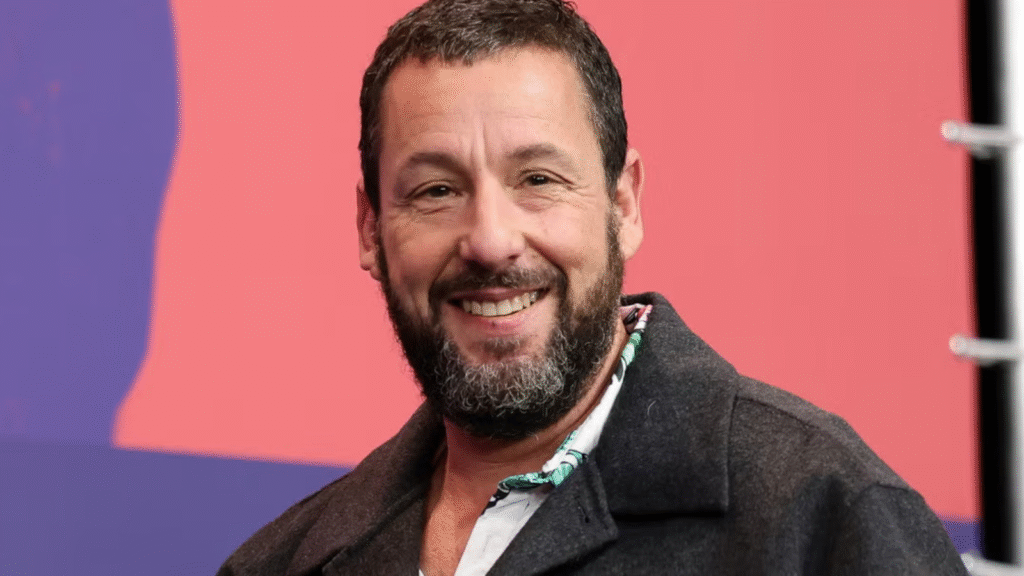
As for Adam Sandler, the 58-year-old actor remains focused on his ongoing Netflix projects and comedy tours, with no connection to Turning Point USA or the Super Bowl. His silence on the matter underscores the importance of verifying information before it spirals into full-blown public belief.
The episode serves as a timely reminder of the speed at which digital misinformation spreads, often blurring the line between satire, speculation, and fact. In an age where a single viral post can reshape perception, even the most improbable stories can take on a life of their own.
For now, there is only one confirmed truth: the “All-American Halftime Show” exists — but Adam Sandler is not part of it. What began as a patriotic fantasy has become a case study in how quickly fiction can outpace reality in the twenty-first-century media landscape.
Watch movie:

*Content is hosted on a partner site.