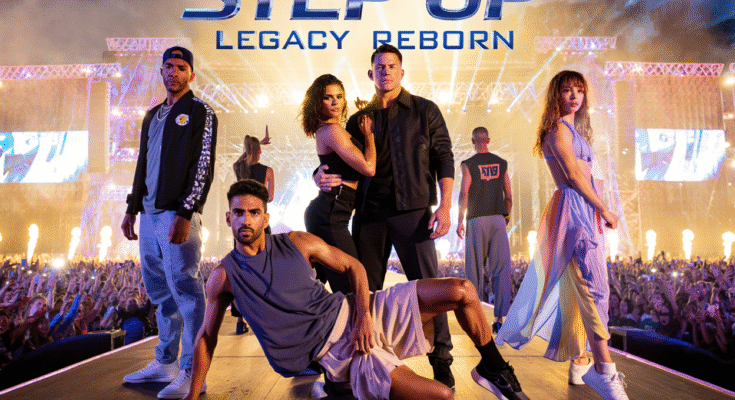
Rhythm of the Streets: Why ‘Step Up: Legacy Reborn’ is the Soul-Stirring Revival We Needed
The cinematic landscape of 2026 has been craving a heartbeat, and Step Up: Legacy Reborn provides it with a thumping, bass-heavy resonance that echoes far beyond the dance floor. This isn’t just another sequel designed to capitalize on nostalgia; it is a profound reimagining of what movement means in a world that feels increasingly fragmented. From the opening frame, director and choreographer teams signal a departure from the glossy, commercialized battles of the past, opting instead for a gritty, neon-soaked realism that feels both futuristic and deeply ancestral.
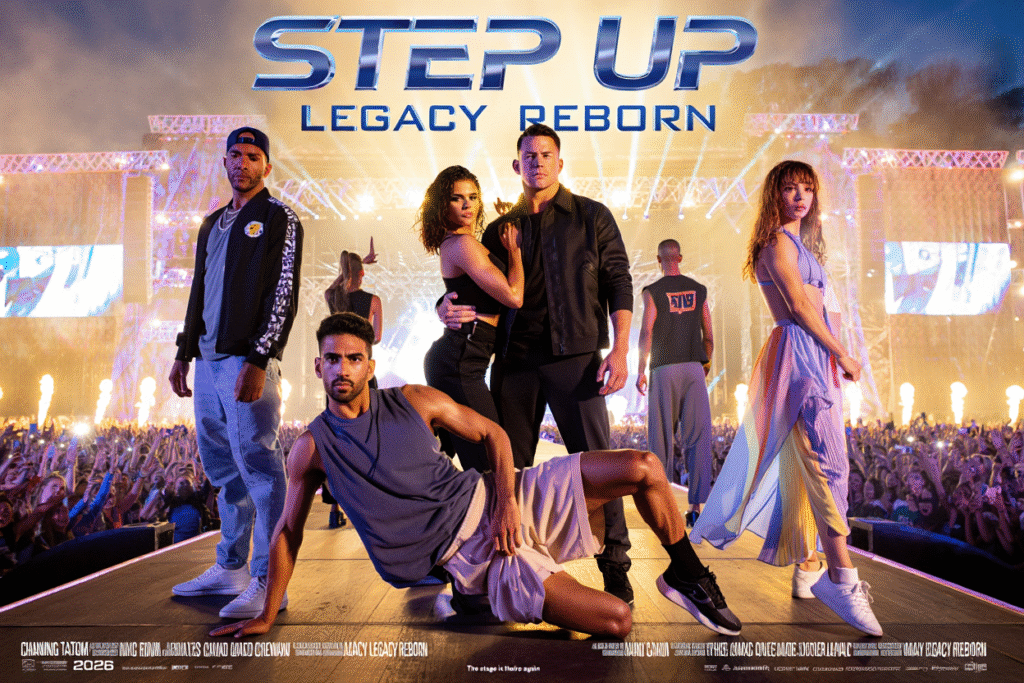
The narrative centers on a new generation of outcasts who find their sanctuary in the crumbling remains of an old industrial district, turning urban decay into a canvas for kinetic expression. We follow Maya, a classically trained prodigy who has lost her “why,” and Jax, a self-taught street dancer whose every move is a middle finger to a system trying to silence him. Their chemistry isn’t built on tired romantic tropes but on a mutual desperation to be heard through the friction of their sneakers against concrete. It’s a beautiful collision of disciplines—ballet’s precision meeting the raw, unpredictable entropy of break-style—that serves as the film’s emotional spine.
What sets Legacy Reborn apart is its refusal to treat dance as a mere spectacle; here, choreography is the primary dialogue, articulating pain and hope where words fail. The cinematography captures this with a breathless intimacy, utilizing long, sweeping takes that refuse to hide behind the “shaky cam” edits that plague modern action films. You feel every drop of sweat and every strained muscle, making the stakes feel visceral rather than performative. The lighting design deserves its own standing ovation, using a palette of sunset ambers and bruised purples to mirror the internal conflicts of the characters.
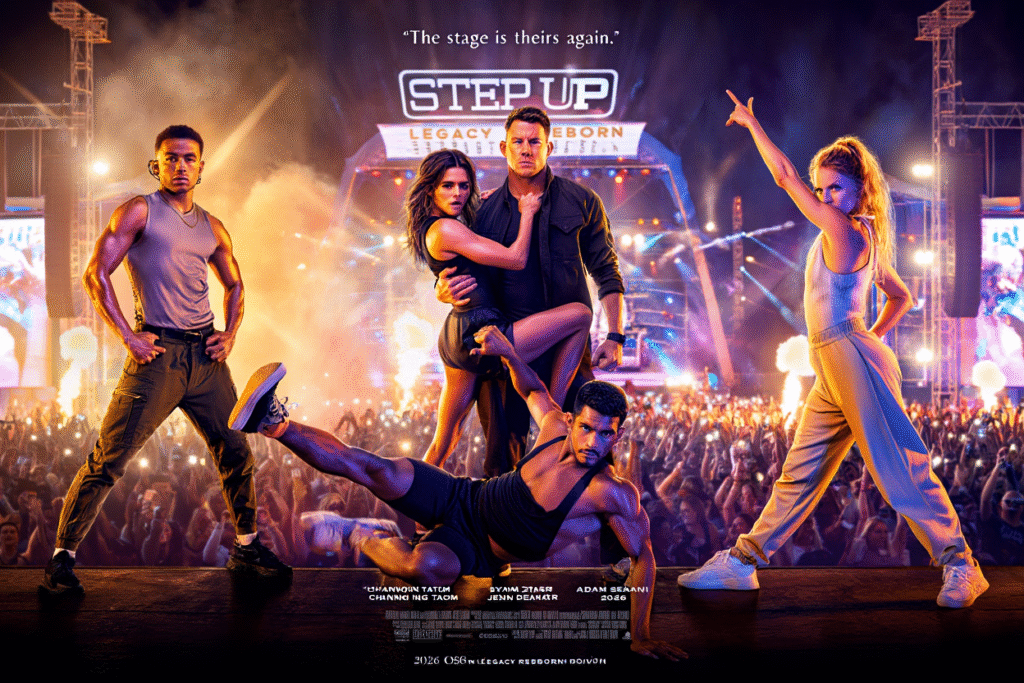
The soundtrack is a masterclass in sonic storytelling, blending high-octane electronic beats with soul-stirring orchestral swells that remind us of the franchise’s roots while pushing into the avant-garde. It’s a literal “legacy” soundscape, sampling iconic rhythms from the early 2000s and warping them into something entirely fresh and urgent for 2026. This auditory bridge connects the “Old Guard” of the Step Up universe with the “New Blood,” proving that while styles evolve, the spirit of the rebellion remains constant. Each sequence is meticulously timed, turning the entire film into a living, breathing music video with a Shakespearean heart.
Deeply embedded in the plot is a sharp critique of the gentrification of art, as the crew fights to keep their community center from being turned into a sanitized corporate hub. This adds a layer of socio-political weight that the previous entries lacked, elevating the “Big Final Battle” from a simple talent show to a desperate act of cultural survival. When the crew finally takes the stage, it’s not about winning a trophy or a contract; it’s about claiming space in a city that wants to erase them. The choreography in this climax is nothing short of revolutionary, incorporating elements of parkour and digital projection that blur the line between human and machine.
One of the most poignant moments occurs mid-film, a quiet duet in the rain that serves as a tribute to the leaders who came before them, acknowledging that every new step is built on the foundations of the past. It’s a meta-commentary on the franchise itself, honoring the “Legacy” in the title without being weighed down by it. The supporting cast brings a rich tapestry of backgrounds to the screen, ensuring that the “crew” feels like a genuine family rather than a collection of archetypes. Their banter is sharp, their loyalty is earned, and their individual struggles with identity and belonging provide the necessary grit to balance the film’s more aspirational moments.
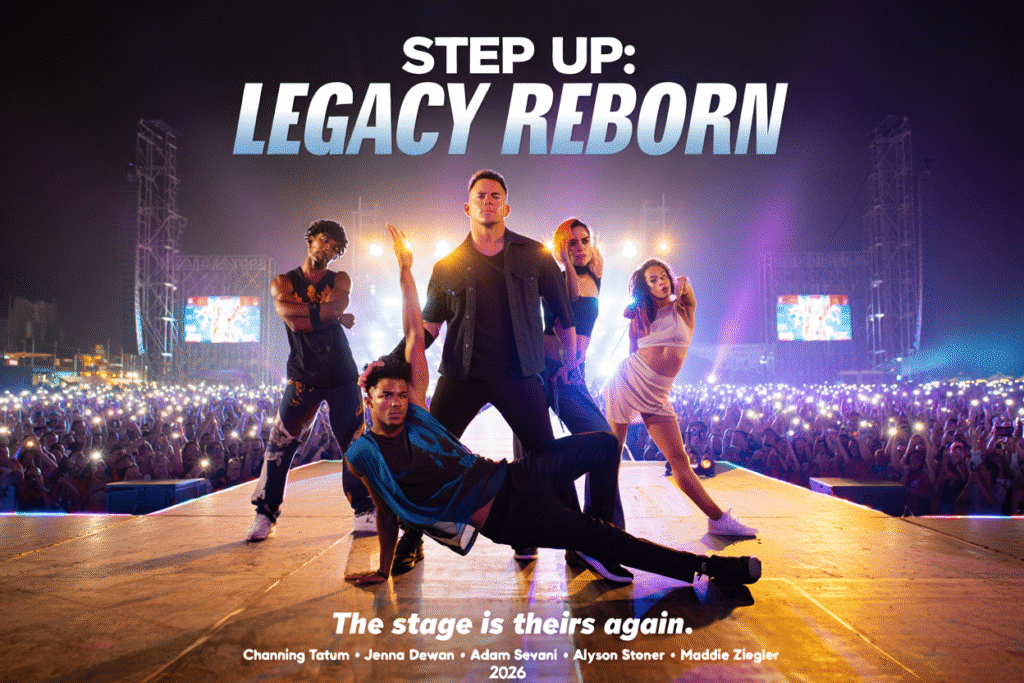
The pacing is relentless yet purposeful, building tension through a series of underground “cyphers” that feel more like high-stakes gladiator matches than dance-offs. You find yourself leaning forward, heart rate syncing with the 128 BPM tempo of the score, completely immersed in the stakes of the movement. There is a specific sequence involving a moving train that is destined to become a landmark in dance cinema history for its sheer technical audacity. It’s a reminder that Step Up has always been at its best when it pushes the physical limits of what the human body can achieve.
As we reach the final act, the film successfully weaves together the various subplots into a cohesive, cathartic explosion of color and sound. The resolution avoids the easy, “happily ever after” cliches, opting instead for a bittersweet acknowledgment that the struggle to remain authentic is a lifelong marathon. It leaves the audience not just entertained, but energized—a rare feat for a franchise that is now decades old. You walk out of the theater wanting to move, to shout, and to reclaim whatever part of yourself you’ve kept hidden.
Step Up: Legacy Reborn is a triumph of spirit over cynicism, proving that as long as there is a floor to stand on, there is a story to be told. It bridges the gap between the legends of the past and the innovators of the future with grace, power, and an unapologetic sense of cool. This is more than just a movie about dancing; it’s a manifesto for anyone who has ever felt like their voice wasn’t enough. In 2026, the streets are talking again, and they have never sounded—or looked—this good.
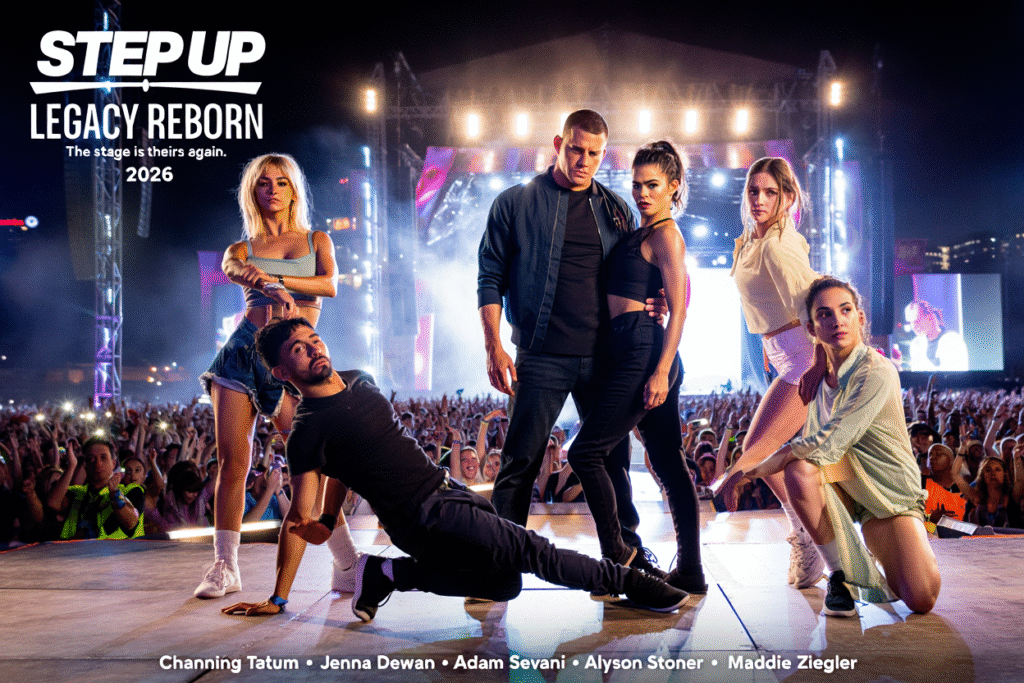
Ultimately, the film succeeds because it understands that a “legacy” isn’t something you inherit; it’s something you fight for every single day. Whether you’re a lifelong fan of the series or a newcomer looking for a visual feast, this chapter is an essential watch. It’s a vibrant, pulsing reminder that even in a digital age, the most powerful thing we possess is the rhythm in our own veins. Step Up: Legacy Reborn doesn’t just invite you to watch—it commands you to feel the beat.
Watch movie:

*Content is hosted on a partner site.